
Do Rodent Repellents Work? Ultrasonic, Peppermint and Irish Spring vs the Facts
Short answer: Most rodent repellents do not work well enough to solve a rat or mouse problem. Ultrasonic devices show little lasting effect in independent testing, scent-based products like peppermint oil wear off quickly and rodents get used to them, and mothballs are both ineffective at safe levels and illegal to use as a rodent repellent. What keeps rodents out is sealing the gaps they use to get in, combined with trapping the ones already inside.
That is not the answer most people want, because repellents are easy and inexpensive and sealing a house is work. But understanding why rodent repellents fall short saves money and months of frustration.
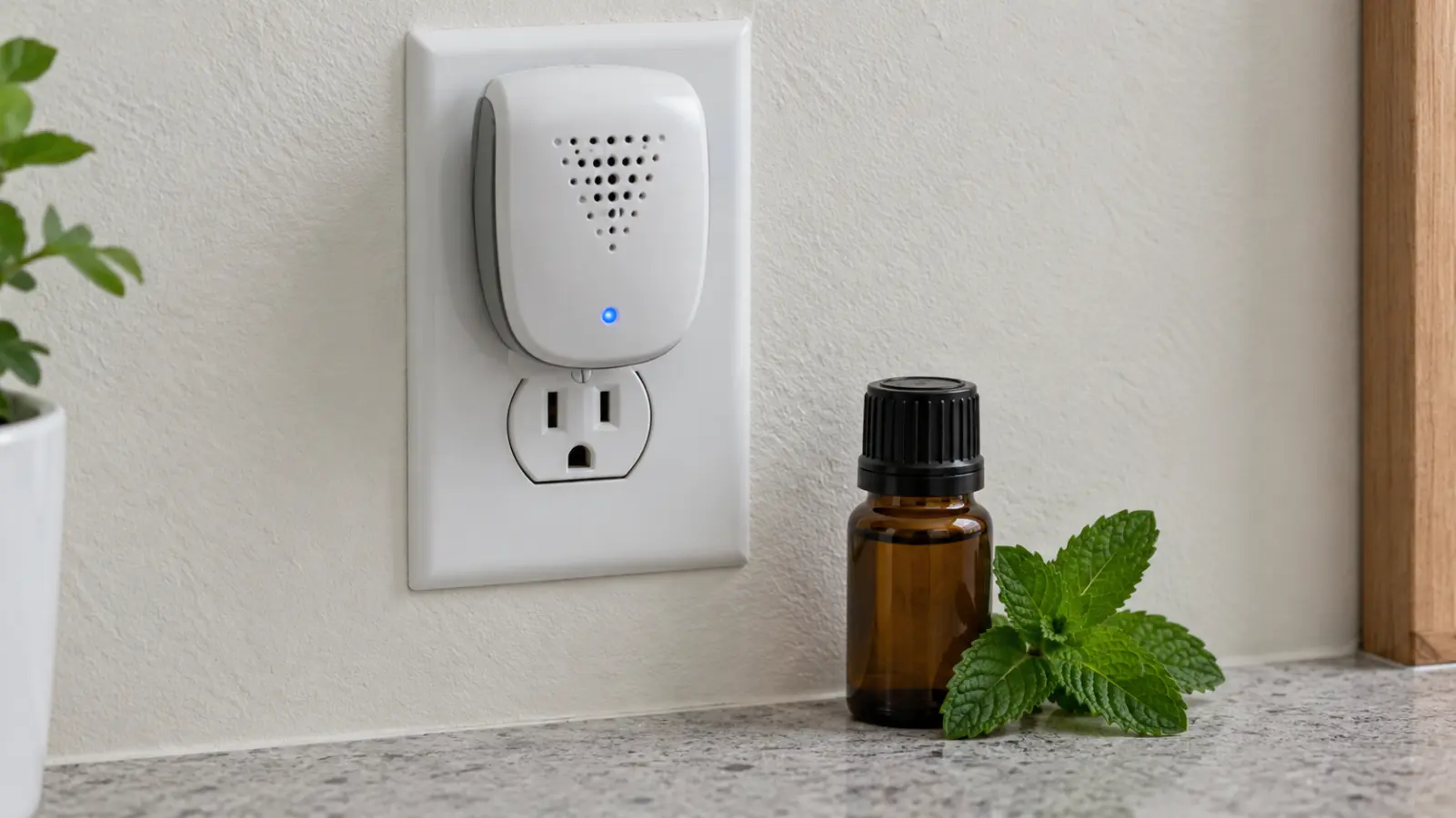
Why Repellents Struggle Against Rodents
Rats and mice come indoors for shelter, warmth and food. Those are powerful motivations, especially when Durham’s first cold nights arrive in October and November. A repellent has to be unpleasant enough to outweigh a warm, safe nest with food nearby, and it has to stay that way week after week.
Three problems get in the way:
- Habituation. Rodents get used to new sounds and smells. Something that startles them on day one is background noise by day ten.
- Short life. Scents evaporate, and sound does not travel through walls, furniture or insulation.
- No physical barrier. Even if a repellent works in one spot, the gap in the foundation is still open, and rodents simply use a different route or a different part of the house.
Ultrasonic Repellents
Plug-in ultrasonic devices are among the most popular rodent repellents, promising to drive rodents out with high-frequency sound people cannot hear. The evidence is weak. University extension specialists have long advised skepticism, and the Federal Trade Commission warned dozens of manufacturers and retailers in 2001 that they needed scientific evidence to support their claims (Iowa State University Extension).
The limitations are practical. Ultrasonic sound is easily blocked by walls, cabinets, furniture and boxes, so it barely reaches the wall voids, attics and crawl spaces where rodents actually nest. Studies have generally found that any initial avoidance fades as rodents become accustomed to the sound. If you already own one, it does no harm, but it should not be your plan.
Peppermint Oil and Other Scents
Peppermint oil, sprayed or soaked into cotton balls, is the most popular natural rodent repellent. Products like this are often sold as minimum-risk pesticides, a category the EPA exempts from federal registration. That exemption is about low toxicity; it means the EPA has not reviewed whether the product actually works.
In practice, strong peppermint oil may make a mouse avoid a specific spot for a short time. The smell fades within days, the oil has to be reapplied constantly, and it does nothing to stop a mouse from entering through a gap a few feet away. The same applies to clove oil, eucalyptus, citronella and cayenne pepper sprays.
Irish Spring Soap and Dryer Sheets
Bars of Irish Spring soap and dryer sheets show up in countless home tips as rodent repellents. There is no good evidence that either works. Mice regularly nest in dryer sheets and have been known to chew on soap. Placing them in a car, shed or camper might feel reassuring, but it is not a substitute for closing openings and removing food.
Mothballs: Ineffective and Illegal for This Use
Mothballs contain naphthalene or paradichlorobenzene, pesticides registered only for killing clothes moths in sealed containers. Using them any other way, including scattering them in attics, crawl spaces, garages or gardens to repel rodents, is a violation of the label, which is the law for pesticides. At the concentrations needed to bother rodents, the vapors are a health concern for people and pets, especially children (University of Florida IFAS Extension). Skip them.
Predator Urine and Ammonia
Fox, coyote and cat urine products are sold to make rodents think a predator is nearby. Some studies show short-term avoidance in limited situations, but rodents living in a house with food and shelter quickly learn there is no actual threat. Ammonia-soaked rags work on a similar idea and mostly make the space unpleasant for the homeowner. Neither provides lasting protection.
Steel Wool and Copper Mesh: Not Repellents, but Useful
Steel wool is often listed with repellents, but it works differently: it is a physical barrier that rodents find hard to chew. It is a reasonable temporary patch for small holes. Plain steel wool rusts in humid places like Durham crawl spaces, though, and can be pulled out. Copper or stainless steel mesh lasts much longer, especially when finished with sealant. This is where rodent repellents and real prevention part ways: barriers work because they block, not because they repel.
Rodent Repellents Compared
| Product | Claimed effect | What to expect |
|---|---|---|
| Ultrasonic plug-ins | Sound drives rodents out | Little lasting effect; sound blocked by walls and furniture; rodents habituate |
| Peppermint and essential oils | Smell repels | Brief local avoidance at most; fades within days |
| Irish Spring soap, dryer sheets | Smell repels | No good evidence; mice may nest in them |
| Mothballs | Fumes repel | Off-label use is illegal; health risk; not effective at safe levels |
| Predator urine | Fear of predators | Short-term avoidance in limited settings |
| Steel wool, copper mesh | Physical barrier | Works when packed tightly into gaps; copper or stainless lasts longer |
| Sealing with hardware cloth, flashing, sweeps | Physical exclusion | The most reliable long-term prevention |
What Actually Keeps Rats and Mice Out
The approach recommended by university extension services is simple, if less exciting than a gadget: remove food and shelter, seal entry points, and trap the rodents already inside.
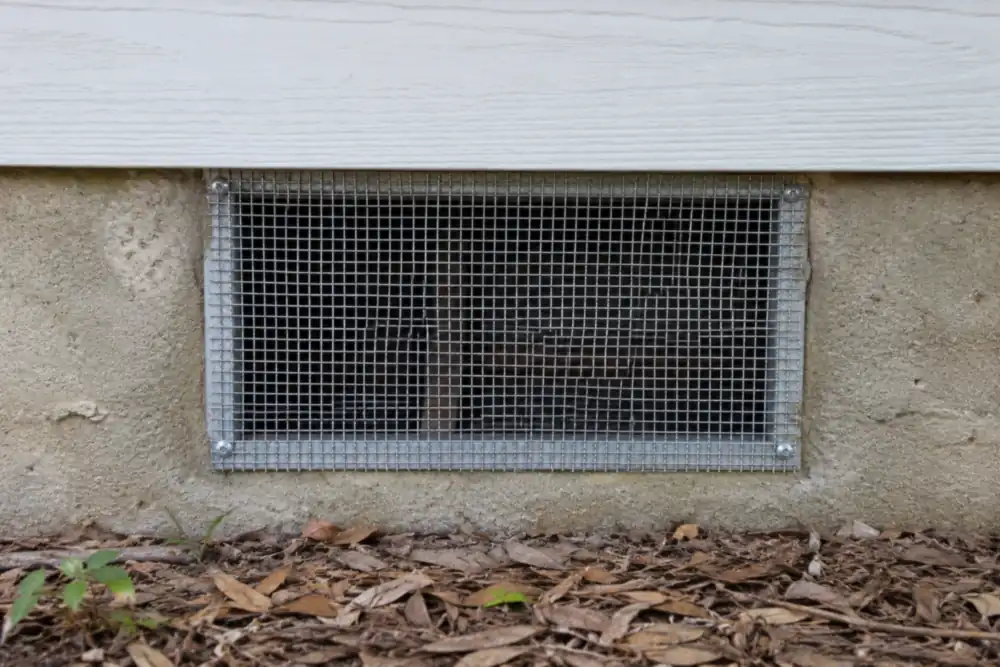
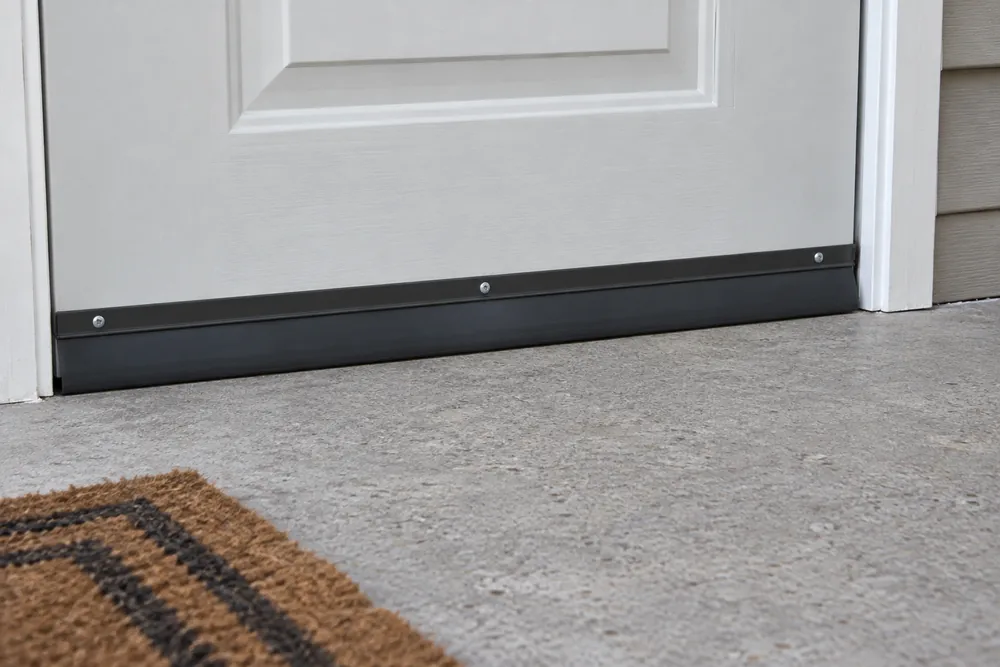
- Find and seal the gaps. Mice need about a quarter inch, rats about a half inch. Check garage door seals, gaps around pipes and AC lines, dryer vents, brick weep holes, crawl space vents and roof returns. Our rodent exclusion page explains which materials hold up.
- Remove food. Store pet food, birdseed and pantry goods in hard, sealed containers, and keep trash and compost closed.
- Reduce cover. Trim shrubs and ivy away from the foundation, keep firewood off the ground and away from the house, and cut back tree limbs touching the roof.
- Trap what is inside. Snap traps placed along walls where droppings are found remove the current population. Our guide on how to get rid of mice in your house walks through it.
Why Repellent Claims Sound So Convincing
Many people report that a repellent “worked,” and they are not imagining it. Rodent activity rises and falls with the weather and the seasons, so a device plugged in during a quiet stretch can look like a success. Traps set at the same time remove some mice, and the repellent gets the credit. And mice that move to a different part of the house, away from the device, are simply out of earshot rather than gone. Online reviews rarely follow up months later, when the next cold snap brings new activity through the same open gaps.
The test that matters is not whether activity drops for a week, but whether it stays gone through the next season without sealing. That is where repellents consistently fall short.
When Repellents Make Sense at All
There are a few situations where a repellent can play a small supporting role:
- A vehicle, boat or camper in storage, where sealing every opening is not practical. Even here, regular inspection and traps matter more.
- A temporary measure while waiting for sealing work, with the understanding that it will not stop a determined rodent.
- Gardens, where taste-based repellents on specific plants may reduce some feeding damage.
For a house with rats or mice already inside, a repellent is not a treatment.
A Note for Durham Homeowners
Many Durham homes, especially older ones on crawl spaces in neighborhoods like Old West Durham, Trinity Park and East Durham, have dozens of small gaps that rodents use. Repellents cannot cover all of those openings, and the humid climate shortens the life of scent products even further. Money spent on sealing tends to go much further here than money spent on plug-ins and sprays. If you are not sure how rodents are getting in, a professional inspection maps every entry point; our main page on rodent control in Durham explains what to expect.
Rodent Repellent Questions
What smells do rats hate?
Rats may briefly avoid strong smells such as peppermint, ammonia or predator urine, but there is no smell that reliably keeps rats out of a building where they have found food and shelter. Sealing is the dependable fix.
Do ultrasonic repellents work on mice?
Independent evidence suggests little or no lasting effect. Mice habituate to the sound, and it does not reach the wall voids and attics where they nest.
Is there a natural rat deterrent that works?
The most effective natural deterrent is a sealed, clean house: no openings, no accessible food, no cluttered cover near the foundation. Barn cats and owls take some rodents, but they rarely keep up with an established population.
Are rodent repellents safe for pets?
Most ultrasonic devices and essential oils are low risk, though some pets are sensitive to certain oils. Mothballs are not safe and should never be used as a repellent.
Related Articles
- Roof Rats vs Norway Rats: Which Rat Is in Your Durham Home?: how to tell the two rat species apart by tail, ears, droppings and nesting spots.
- What Is the 5-Day Mouse Rule?: what five quiet days after trapping really tell you, and when to keep watching.
- How to Get Rid of Mice in Your House: an 8-step plan for trapping, sealing and cleaning up after mice.