
Orange and Durham counties
Rodent Control Chapel Hill NC: Wooded Lots, Older Homes and Busy Campus Blocks
Chapel Hill’s tall hardwoods, creek corridors and mix of century-old houses and student rentals give rats and mice more cover and more ways in than most towns its size. Rodent control in Chapel Hill starts with understanding which of those settings your home or building sits in.
- Wooded lots and creeks
- Historic and mid-century homes
- Student rentals near UNC
Your call connects you with an independent local pest control provider.
Why Rodents Do So Well in Chapel Hill
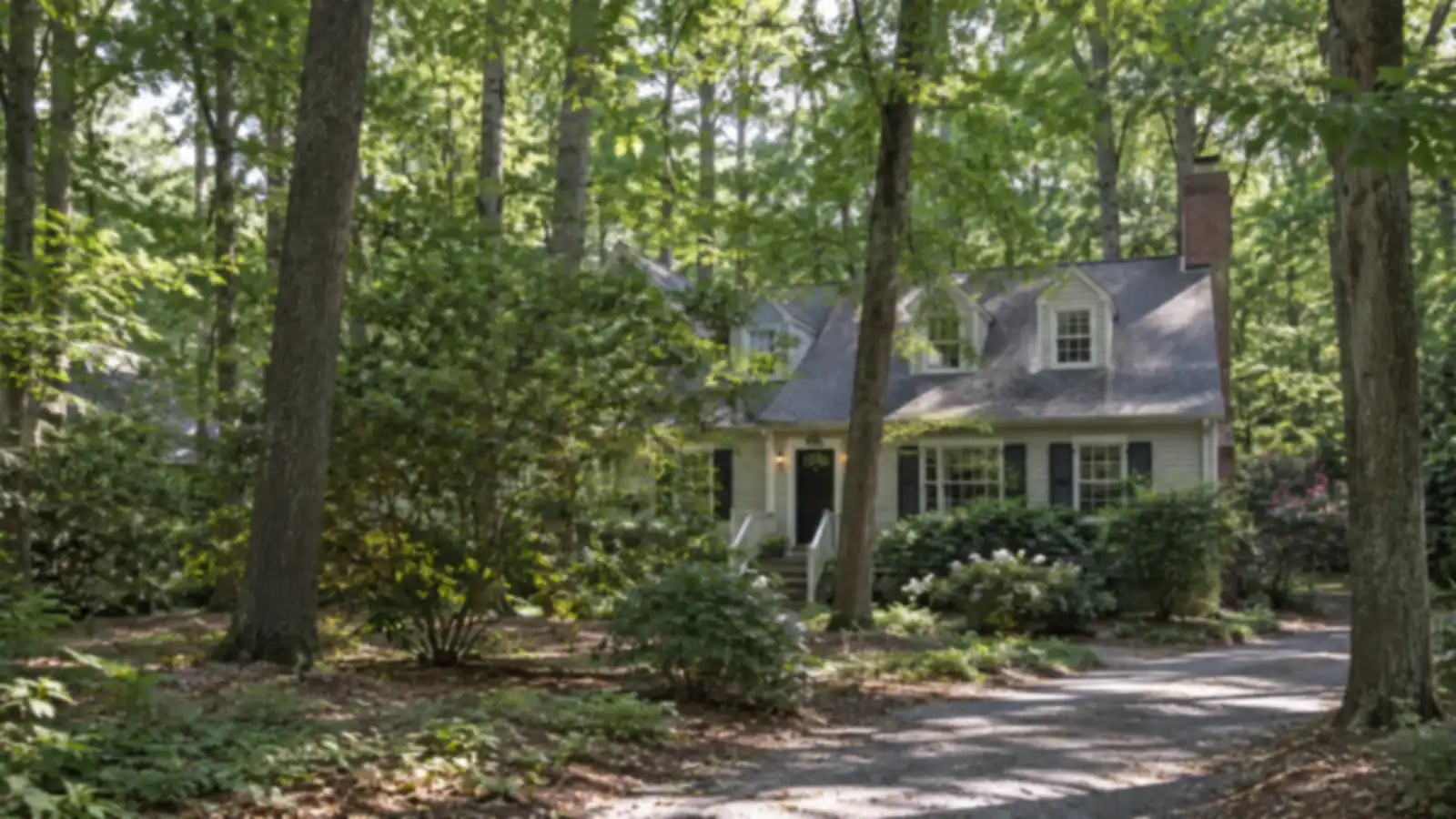
Chapel Hill is a town of about 63,000 people that sits mostly in Orange County, with its eastern edge reaching into Durham County. It grew up around the University of North Carolina, chartered in 1789, and many neighborhoods were built under a canopy of oaks, hickories and pines that still covers much of town.
That canopy is a big part of the rodent story. Mature trees drop acorns and hickory nuts every fall, give mice and rats cover from predators, and put branches within reach of rooflines. Add Bolin Creek and Morgan Creek running through residential areas, with greenways and wooded buffers along their banks, and rodents have food, water and travel corridors right behind many homes.
The housing stock does the rest. Older homes in the Franklin-Rosemary and Gimghoul areas, mid-century ranches on large wooded lots, and houses converted to student rentals all have their own weak spots that rodents find.

Common Rodent Problems by Chapel Hill Neighborhood Type
Historic homes near downtown
Houses near Franklin Street and the older blocks around campus often have stone or brick foundations, original wood siding and crawl spaces that were never fully sealed. Mice move into wall cavities through foundation gaps, and the oldest houses can have openings at almost every pipe and vent.
Mid-century homes on wooded lots
Ranches and split-levels on large, shaded lots tend to have leaf-filled gutters, overhanging limbs and crawl space vents surrounded by ivy. Mice and rats travel from the woods to the foundation without ever crossing open ground.
Student rentals
Houses and duplexes rented to students change hands often, store food in bags and boxes, and sometimes go months without anyone checking the crawl space. Mice settle in during fall semester and are well established by winter break.
Newer subdivisions
Developments on Chapel Hill’s edges border woods and fields. Mice come in through garage door gaps and brick weep holes, especially in the first few years while landscaping is still settling.
Signs to Watch for in a Chapel Hill Home
- Scratching in ceilings or walls on cool fall evenings, especially in rooms that back onto wooded slopes.
- Small droppings in kitchen drawers, under the sink or in the pantry.
- Acorn shells or nut fragments stashed in the attic, garage or behind stored boxes. Mice cache food near nests.
- Burrows along the foundation on the creek or woods side of the house.
- Chewed insulation or wiring in the attic, often near where a tree limb touches the roof.
If you are seeing larger droppings and heavier noises under the floor, the problem is more likely Norway rats. Our page on rat removal explains how those jobs differ.

Rodent Control Chapel Hill NC: How the Work Usually Goes
Inspection with the lot in mind
On wooded lots, the provider looks at the tree line, overhanging limbs and the side of the house facing the woods or creek, along with the crawl space, attic and garage.
Removal
Trapping inside the home, timed with sealing so rodents are not trapped in the walls. Outdoor bait stations, if used, should be placed with pets and wildlife in mind.
Sealing
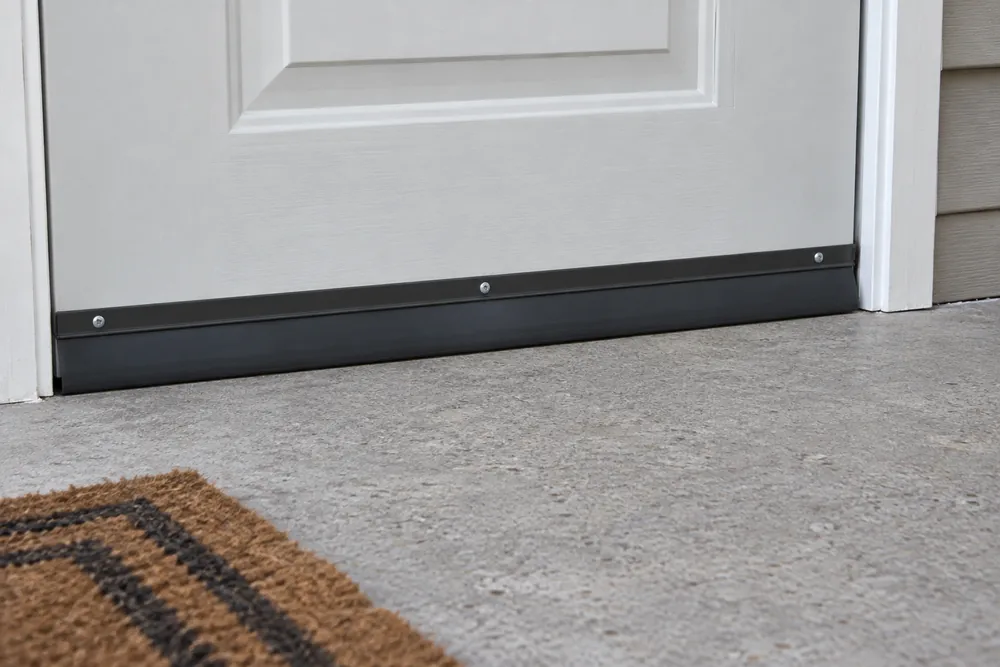
Foundation vents, utility openings, sill gaps and roof returns are closed with metal mesh, flashing and sealant. Trimming limbs back from the roof removes the easiest route to the attic. See our rodent exclusion page for materials.
Follow-up and cleanup
Return visits confirm the activity has stopped, and droppings or nests are cleaned up safely.
Expect the first visit on a wooded Chapel Hill lot to take a little longer than on a city lot. The provider has more ground to cover: the tree line, outbuildings, retaining walls and the downhill side of the house, where crawl space vents and foundation gaps are often hidden behind shrubs. Walking the property together, if you can, helps you understand what will be sealed and why, and it is a good time to point out spots where you have seen droppings, chewed acorns or burrows.
Wildlife Neighbors and Rodent Work on Wooded Lots
Chapel Hill residents share their yards with owls, hawks, foxes and plenty of songbirds, and many people are rightly concerned about how rodent control affects them. A few practical points:
- Exclusion and trapping inside the home have no effect on wildlife outside, which is one reason they are preferred.
- Rodenticides can affect predators that eat poisoned rodents. If bait stations are used outdoors, ask about the product and placement, and whether they are truly needed after the house is sealed.
- Bird feeders are a major rodent food source. Using trays to catch spilled seed and bringing feeders in at night during an active problem helps a lot.
- Compost bins should be closed, rodent-resistant designs, set away from the house.
One more distinction matters on wooded lots: daytime running and rolling sounds in the attic, especially in early morning, usually mean squirrels rather than rats or mice. Rodent noises are mostly after dark. Telling the provider when you hear the sounds helps them plan for the right animal, since squirrel work is a separate kind of job.
Your call connects you with an independent local pest control provider.
Renting in Chapel Hill: What Tenants and Landlords Should Know
With a large student and university workforce population, a big share of Chapel Hill homes are rentals. North Carolina law treats a rat infestation caused by defects in the structure as a condition the landlord must fix (N.C.G.S. 42-42). Tenants should report rodent problems in writing and keep a copy. Landlords with several properties in town do well with a yearly inspection before the fall semester starts, when sealing is easiest and the rush of mice indoors has not begun yet.
For shared buildings and duplexes, treating both sides at once avoids the common cycle of rodents moving back and forth between units.
How the University Calendar Shapes Rodent Problems
Chapel Hill’s rhythm follows UNC, and rodents take advantage of it. In August, thousands of students move into houses and apartments, bringing boxes of food and leaving garage doors and crawl space doors open during the move. By October, the first cool nights push mice indoors just as midterms keep everyone too busy to notice the droppings behind the stove.
Winter break is the big one. Rentals near campus can sit empty for three or four weeks in December and January, with heat set low and nobody around. Mice that got in during the fall have the house to themselves, and returning tenants often find chewed food, nests in drawers and droppings across the kitchen. Summer brings a second quiet period in many student houses.
Property owners can get ahead of this by scheduling an inspection and sealing in late July, before move-in, and asking tenants to store food in hard containers and leave nothing open over the breaks.
What to Mention When You Call From Chapel Hill
- Your street and ZIP code (27514, 27516 or 27517), since coverage can vary across the Orange and Durham county sides of town.
- Whether the house backs onto woods, a creek or a greenway.
- Whether you own or rent, and whether it is a student rental with several occupants.
- Where you have seen droppings or heard noises, and for how long.
- Whether the home has a crawl space, a basement or sits on a slab.
That short summary helps the provider plan the first visit and bring the right materials for sealing.
Chapel Hill Rodent Questions
Why do mice keep getting into older homes on wooded lots?
The woods give them a steady population right next to the house, and older homes usually have many small gaps at the foundation, siding and roofline. Trapping without sealing brings temporary relief; closing the gaps is what stops the yearly return.
Do I need to cut down trees to stop rodents?
No. Trimming limbs so they do not touch or overhang the roof, clearing ivy from the foundation and keeping firewood away from the house are usually enough when combined with sealing.
Is rodent control in Chapel Hill different from Durham?
The methods are the same, but the setting changes the focus. Chapel Hill jobs more often involve wooded lots, tree access to roofs and student rentals, while many Durham jobs center on older crawl space houses near creeks and construction.
Are providers available on both the Orange and Durham county sides of town?
Coverage depends on the provider and your ZIP code. Mention your address when you call so you are connected with someone who serves your part of Chapel Hill.
Services Most Requested in Chapel Hill
Mouse Control
Mice in walls, kitchens and attics after the first cool nights.
Mouse control →Rodent Exclusion
Sealing older foundations, vents and rooflines.
Sealing entry gaps →Attic & Crawl Space
Nests and damage where trees meet the roof.
Attic rodent removal →Looking for the main Durham page? See rodent control in Durham. This site is a referral service connecting callers with independent local providers.
Your call connects you with an independent local pest control provider.