
Orange County seat
Rodent Control Hillsborough NC: Historic Homes, the Eno River and Rural Outbuildings
Hillsborough has some of the oldest houses in the region, a river running along the edge of downtown and plenty of barns, sheds and workshops on the surrounding land. Each of those gives rats and mice a different way in, and older homes need extra care when the gaps get sealed.
- Historic district homes
- Eno River properties
- Barns, sheds and workshops
Your call connects you with an independent local pest control provider.
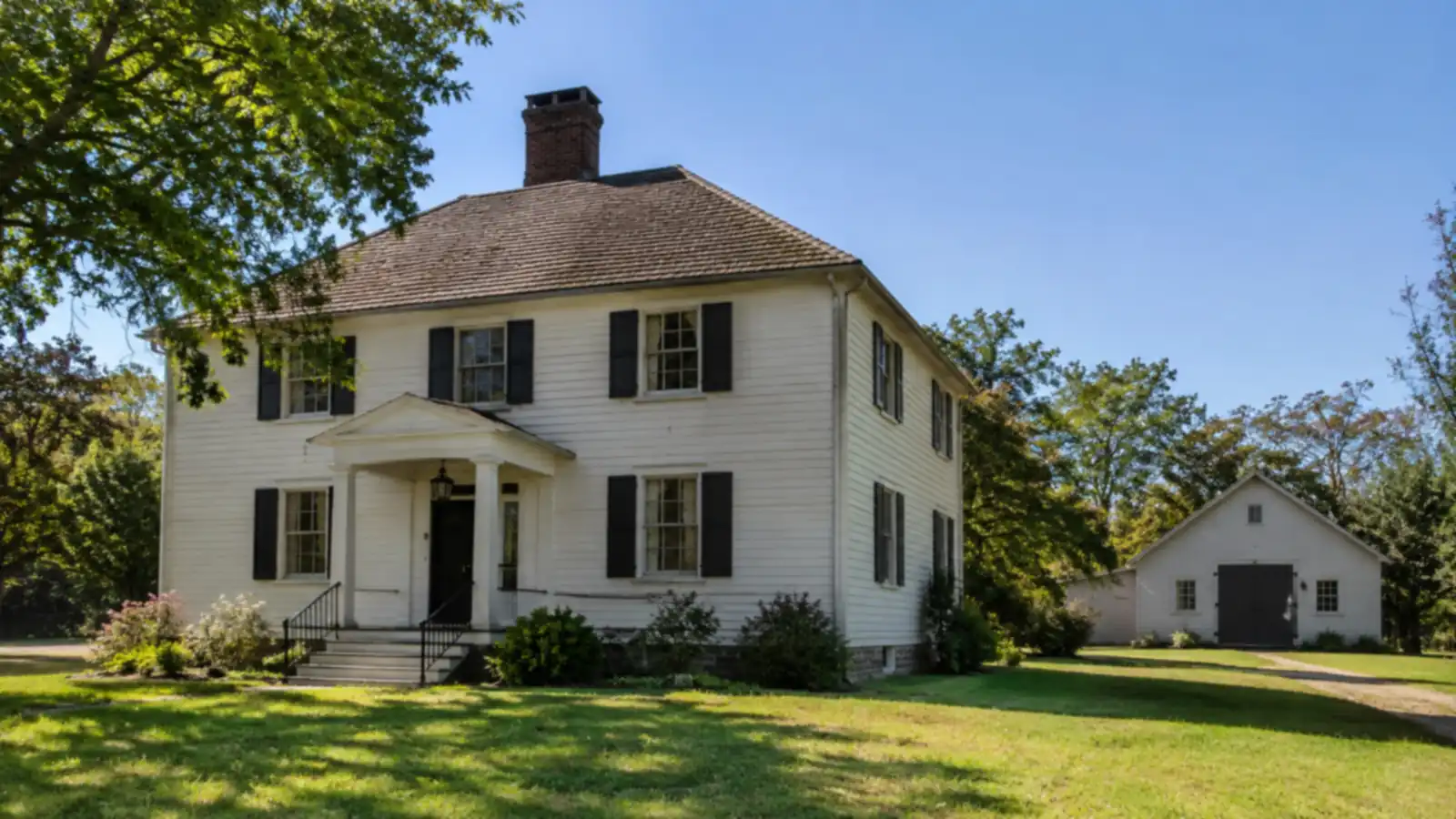
An Old Town With Old-House Rodent Problems
Hillsborough was founded in 1754 and is the seat of Orange County. Its historic district, listed on the National Register of Historic Places, includes homes and buildings from the 1700s and 1800s, alongside early 20th-century houses and newer neighborhoods on the edges of town. Around 9,700 people live in town, with many more on the rural land around it.
Houses that have stood for 150 or 200 years have been repaired, expanded and re-sided many times, and every change leaves seams. Common rodent entry points in Hillsborough’s older homes include:
- Stone and brick foundations with mortar that has crumbled between the stones.
- Additions and porches joined to the original house, often over a separate crawl space.
- Original wood siding and trim that has shrunk, split or pulled away at corners.
- Chimneys with missing caps or loose flashing, and old flues no longer in use.
- Cellars and root cellars with dirt floors and old doors.
Sealing a Historic House Without Damaging It
Rodent exclusion on a historic home takes more care than on a new one. The goal is to close gaps rodents use without changing the look of the house or trapping moisture in old materials.
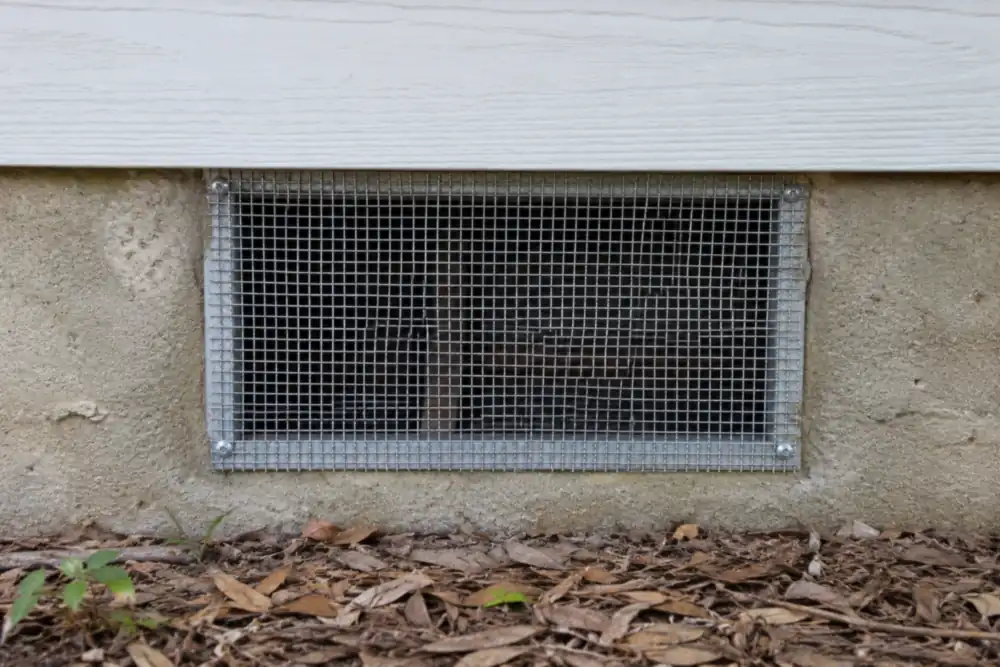
- Use materials that can come out later. Hardware cloth and copper mesh fitted behind vents and into gaps can be removed without harming original wood or masonry.
- Match mortar. Gaps in old stone or brick foundations should be repointed with a mortar compatible with the original, not hard modern cement that can damage soft historic brick.
- Keep it out of sight where possible. Many fixes can be placed inside crawl space vents, behind trim or under porches, where they do not show from the street.
- Do not seal moisture in. Old houses rely on airflow. Weep paths, vents and drainage should be screened, not closed.
If your property is in the historic district, visible exterior changes may need approval from the town before work begins. Check with the Town of Hillsborough’s planning staff if a sealing plan involves new materials on street-facing walls. Our rodent exclusion page covers materials in more detail.
Rodents Along the Eno River
The Eno River runs along the north edge of downtown Hillsborough, and the town’s Riverwalk, a paved greenway of about two miles, follows it and connects to Occoneechee Mountain State Natural Area and the Ayr Mount property. It is one of the area’s favorite walking routes, and the river corridor is also natural habitat for Norway rats and field mice.
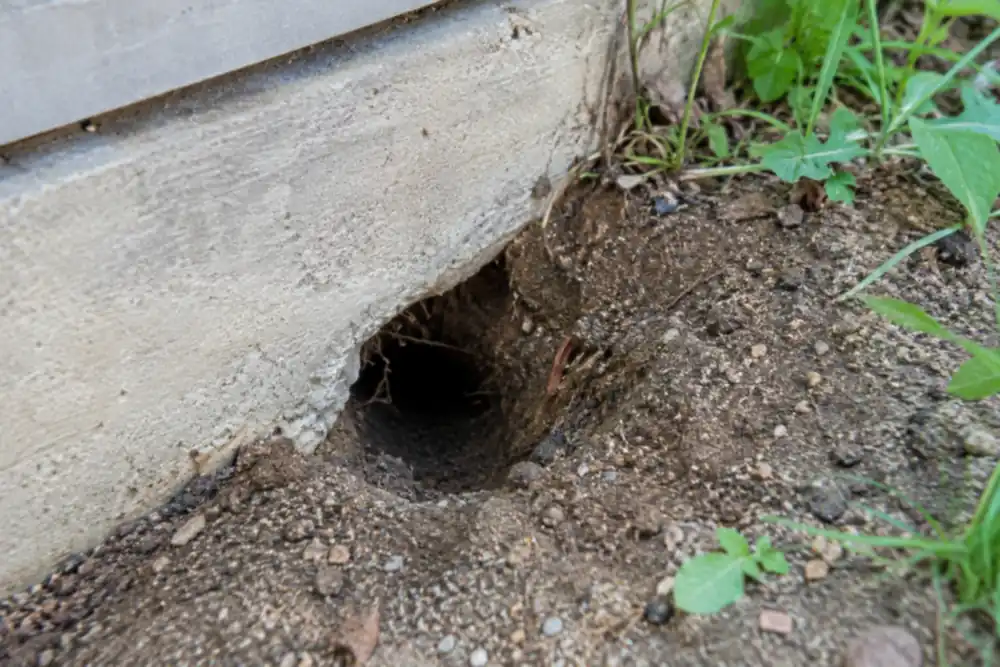
Homes and businesses near the river and its tributaries see more rodent pressure, especially in late summer and fall. Rats burrow into soft banks and under sheds and decks, then travel into yards for food. Keeping compost closed, storing feed and birdseed in metal bins, and sealing crawl space vents helps a lot. If rats are already under the house, our rat removal page explains how the work is done.
Wooded lots near the river add one more factor: firewood. Many Hillsborough homes heat with wood stoves or fireplaces, and a woodpile stacked against the house or on the porch is a ready-made rodent shelter right next to the siding. Stack firewood on a rack at least a few feet from the house, keep it off the ground, and bring in only what you will burn within a day or two.
Barns, Sheds, Workshops and Feed Storage
Outside town, many Hillsborough properties have barns, equipment sheds, chicken coops and workshops. These buildings are rarely sealed and often store exactly what rodents want: grain, animal feed, hay, birdseed and nesting material.
Feed and grain
Store feed in metal cans with tight lids or a sealed feed room. Rats chew through plastic bins and wooden feed boxes.
Chicken coops
Spilled feed and eggs attract rats. Hardware cloth buried around the coop perimeter stops burrowing, and feeders should be raised and covered at night.
Equipment sheds
Mice nest in tractor and mower engine compartments and chew wiring. Check equipment before starting it after a long idle period.
The house next door
A busy barn feeds a rodent population that moves into the house when the weather cools. Controlling outbuildings protects the home.
Rural property owners should also take care when cleaning old droppings in barns and sheds, where deer mice are more common than in town. Wet the droppings with disinfectant before removing them, and wear gloves and good ventilation; our rodent cleanup page has the method.
Rodent Control Hillsborough Providers Typically Follow
Inspect house and outbuildings
Foundation, crawl space, cellar, attic and chimney on the house, plus any barns, sheds and coops close by.
Identify the source
Is the main population in the house, the barn or along the river? The answer decides where traps and stations go first.
Remove
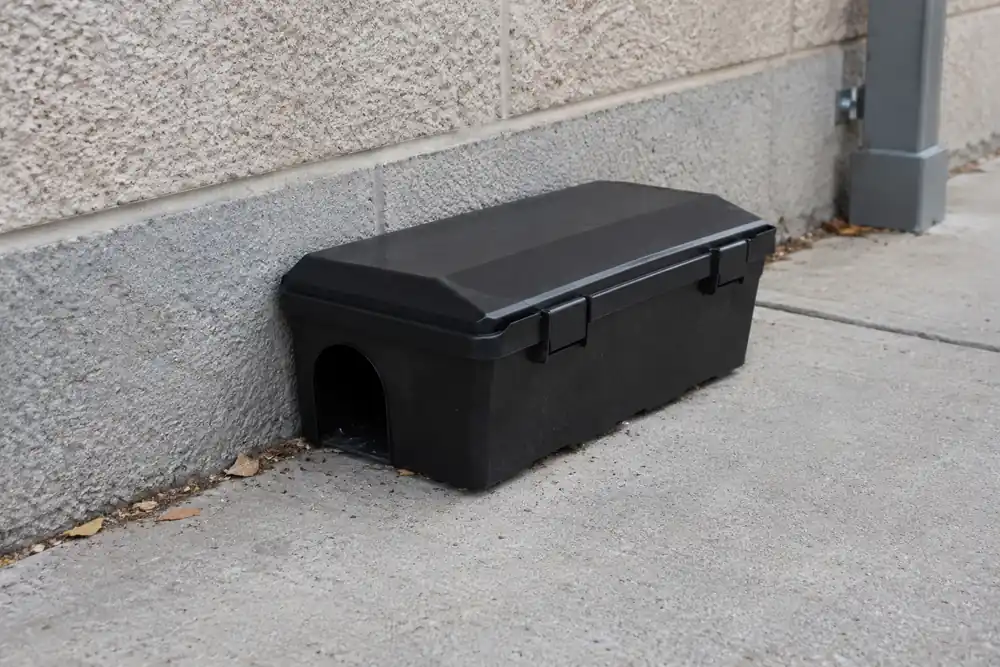
Trapping inside the home, with exterior stations around outbuildings where appropriate and safe for pets and livestock.
Seal carefully
Historic-appropriate materials on the house, and practical fixes such as hardware cloth and metal flashing on outbuildings.
Follow up
Return visits to confirm the work and recheck outbuildings, which often take longer to clear.
On older properties, expect the provider to spend extra time in the cellar or crawl space, where stone foundations and old repairs leave the most gaps. Mortar work on historic foundations may need a mason rather than a rodent provider, and a good provider will tell you when that is the case instead of covering an old stone wall with foam. Ask how they plan to handle each type of material on your house.
Your call connects you with an independent local pest control provider.
Downtown Shops and Restaurants on Churton and King Streets
Downtown Hillsborough’s restaurants, cafes and shops sit in old brick and frame buildings that share walls, back alleys and trash areas. Older commercial buildings have basements, crawl spaces and utility openings that were never designed to keep rodents out, and one business with an open dumpster affects the whole block.
Food businesses are inspected by Orange County environmental health staff, and evidence of rodents costs points. A steady monitoring program, sealed back doors, covered dumpsters and coordination with neighboring businesses keep problems small. Our commercial rodent control page explains what those programs usually include.
When Hillsborough Sees the Most Rodent Activity
Mice move into houses from October through February, and rural properties often notice it right after crops are harvested and fields are cut, when mice lose their cover. Rats stay active around barns, feed and the river year-round. Spring is a good time to inspect outbuildings, before summer breeding, and late summer is the time to seal the house before the fall wave arrives.
What to Mention When You Call From Hillsborough
- Your address and ZIP code (27278), and whether you are in town or on rural land.
- The approximate age of the house and whether it is in the historic district.
- Whether there are barns, sheds, coops or livestock on the property.
- Where you have seen activity and how long it has been going on.
- Whether you have pets or livestock that could reach bait stations.
Hillsborough Rodent Questions
Who should I call for a rodent infestation in Hillsborough?
A rodent control provider who works with older homes and rural properties. You can call (919) 887-1651 to be connected with an independent provider serving your area, or contact a company directly. Ask whether they handle historic homes and outbuildings.
Will sealing my old house change how it looks?
It does not have to. Most exclusion work on historic homes happens at the foundation, inside vents, under porches and at the roofline, using materials that are hidden or blend in. Ask the provider to show you exactly where materials will go.
Why do mice keep coming back to my farmhouse?
Usually because the barns and sheds nearby support a large population that keeps refilling the house. Controlling outbuildings and storing feed securely is as important as sealing the house.
Is it safe to use bait around livestock and pets?
Any rodenticide around animals needs careful thought. Locked, anchored bait stations placed where livestock, dogs and cats cannot reach them reduce the risk, and trapping can replace bait in many spots. Tell the provider about every animal on the property before treatment starts.
Are there more rats near the Eno River?
Properties close to the river and its tributaries do tend to see more Norway rats, which like to burrow in soft, damp banks. Sealing the house and removing outdoor food sources keeps them outside.
Services Most Requested in Hillsborough
Rodent Exclusion
Careful sealing for old foundations, chimneys and additions.
Sealing details →Rat Removal
Norway rats along the river and under outbuildings.
Rat removal →Attic & Crawl Space
Nests in old attics, cellars and crawl spaces.
Attic and crawl space →For the main Durham page, see rodent control in Durham. This site is a referral service connecting callers with independent local providers. Town facts from the U.S. Census Bureau.
Your call connects you with an independent local pest control provider.