Cleanup · Durham, NC
Rodent Cleanup Durham NC: Handling Droppings, Urine and Nests Safely
Once the rats or mice are gone, what they leave behind still needs to go: droppings in cabinets, urine-soaked insulation, nests in drawers and ductwork. Rodent cleanup done the wrong way can put particles in the air you breathe. Done right, it is methodical and safe.
- Kitchens, pantries and closets
- Attics and crawl spaces
- Rentals and businesses
Your call connects you with an independent local pest control provider.
Why Rodent Cleanup Matters After the Rodents Are Gone
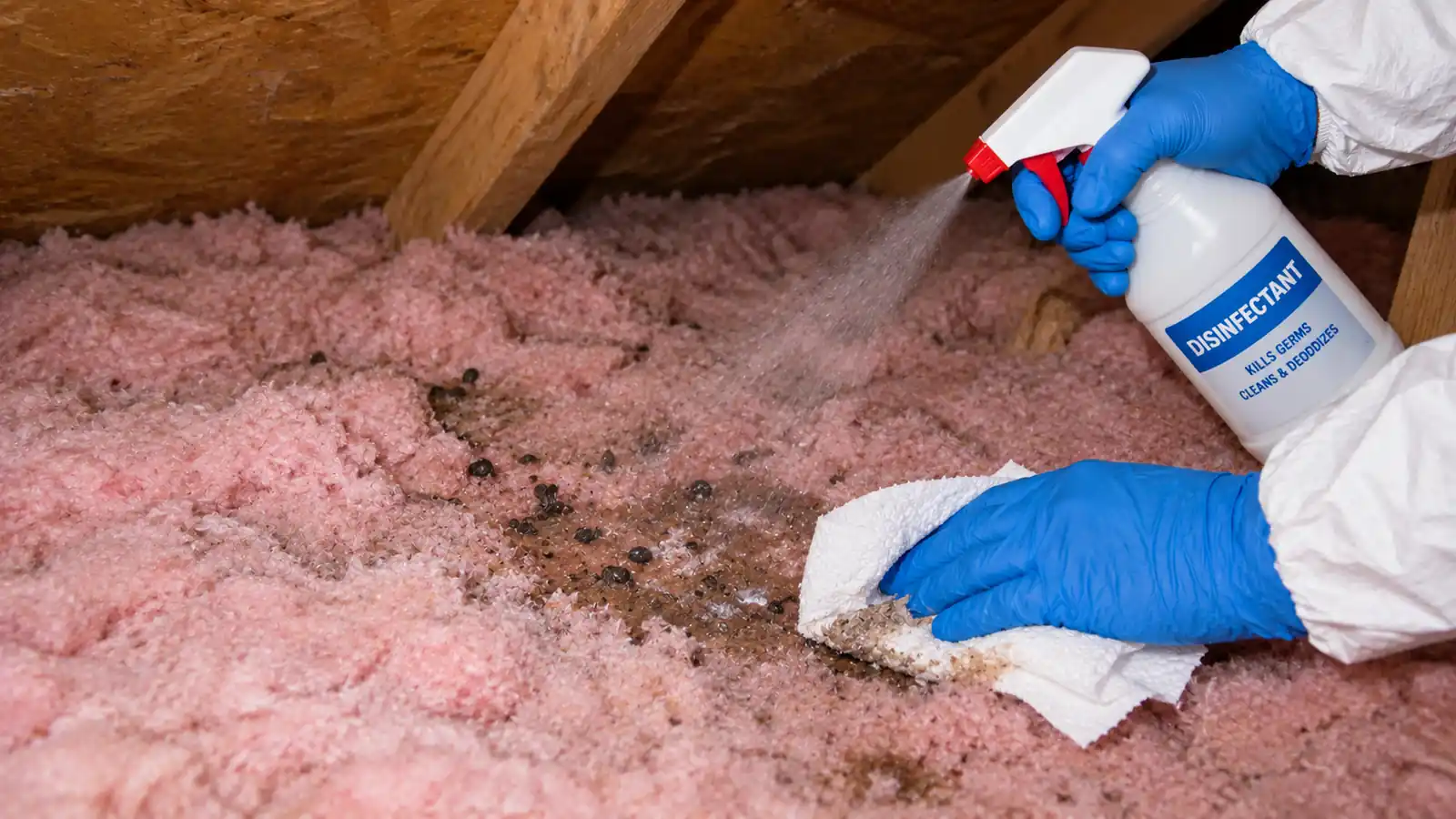
A pair of house mice can leave thousands of droppings over a few months, and rats leave fewer but much larger ones. Both leave urine trails along every route they travel. That residue does three things to a home.
- It carries germs. Rodent droppings and urine can spread bacteria such as Salmonella and Leptospira onto counters, food packaging and dishes.
- It triggers allergies. Mouse allergens from urine and dander are a recognized asthma trigger, especially for children. Cleaning the active areas reduces exposure.
- It attracts more rodents. Urine and droppings leave scent trails. New mice that find a way in follow those trails to the same nesting spots.
In Durham’s humid summers, soiled insulation and nesting material in attics and crawl spaces also hold odor and moisture, which makes the smell worse the longer it sits.
What Not to Do With Rodent Droppings
The most common mistakes happen in the first five minutes, usually with good intentions.
- Do not sweep. A broom breaks up dried droppings and puts fine particles into the air.
- Do not vacuum dry droppings. Most household vacuums blow fine dust right back out the exhaust. North Carolina’s health department specifically advises against vacuuming or dry sweeping rodent nests and droppings (NCDHHS).
- Do not handle nests bare-handed. Always wear gloves, even for one dropping on a counter.
- Do not use a leaf blower in a garage or shed to clear droppings. It is a fast way to spread contamination across everything stored there.
- Do not clean while rodents are still active. New droppings will appear by morning. Get the rodents out and the gaps sealed first.
The Safe Way to Clean Up a Small Area Yourself
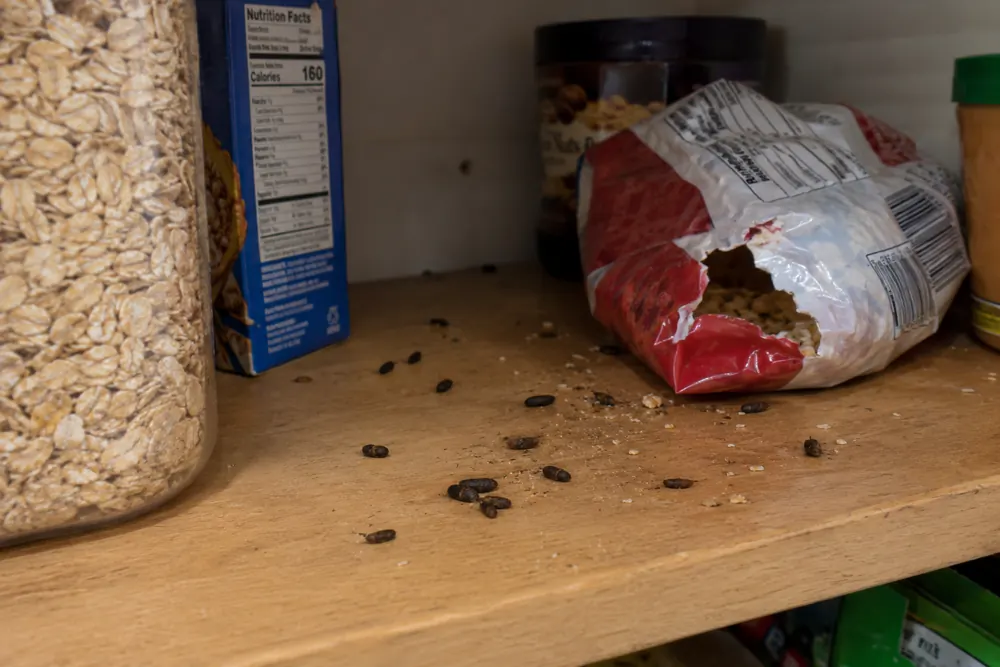
For a few droppings in a kitchen cabinet or a single nest in a drawer, you can do the cleanup yourself. This method follows the wet-cleaning approach the CDC recommends (CDC rodent cleanup guidance).
Air the space out
Open doors and windows for at least 30 minutes before you start, and leave the area while it ventilates.
Put on gloves
Rubber, latex, vinyl or nitrile gloves. Keep them on until the very last step.
Soak the droppings
Spray droppings, urine spots and nesting material with a bleach solution (1 part bleach to 10 parts water) or a household disinfectant labeled for this use. Let it soak for about 5 minutes.
Wipe up and bag it
Use paper towels to pick up the wet material. Put everything in a plastic bag, seal it, and place it in a second bag before it goes in the outdoor trash.
Disinfect the surfaces
Wipe or mop counters, shelves, floors and cabinet interiors with the disinfectant. Throw out any food in packaging that was chewed or soiled.
Wash fabrics
Bedding, towels and clothing that were contaminated go in a hot water wash with regular detergent.
Clean up yourself
Disinfect the gloves before taking them off, then wash your hands thoroughly with soap and warm water.
Check the label of any disinfectant you use for the contact time it needs, and never mix bleach with ammonia-based cleaners.
Rodent Cleanup Durham NC: When to Call a Professional
Some situations are too large or too enclosed for a do-it-yourself approach. Consider professional cleanup when:
- The droppings are in an attic or crawl space with large areas of soiled insulation.
- Nesting material is inside HVAC ducts or air handlers.
- The contamination covers a garage, storage room, shed or barn with heavy accumulation.
- Someone in the home has asthma, a weakened immune system or a respiratory condition.
- You are cleaning a rental unit between tenants or preparing a business for an inspection.
A professional cleanup typically includes respirators and protective suits for workers, wet disinfection of all droppings and nesting material, removal and bagging of soiled insulation, HEPA vacuuming only after surfaces have been treated, an odor treatment where urine has soaked into wood, and documentation of what was removed. For attics and crawl spaces, the cleanup usually runs alongside rodents in the attic removal and sealing.
What to Throw Away and What You Can Keep
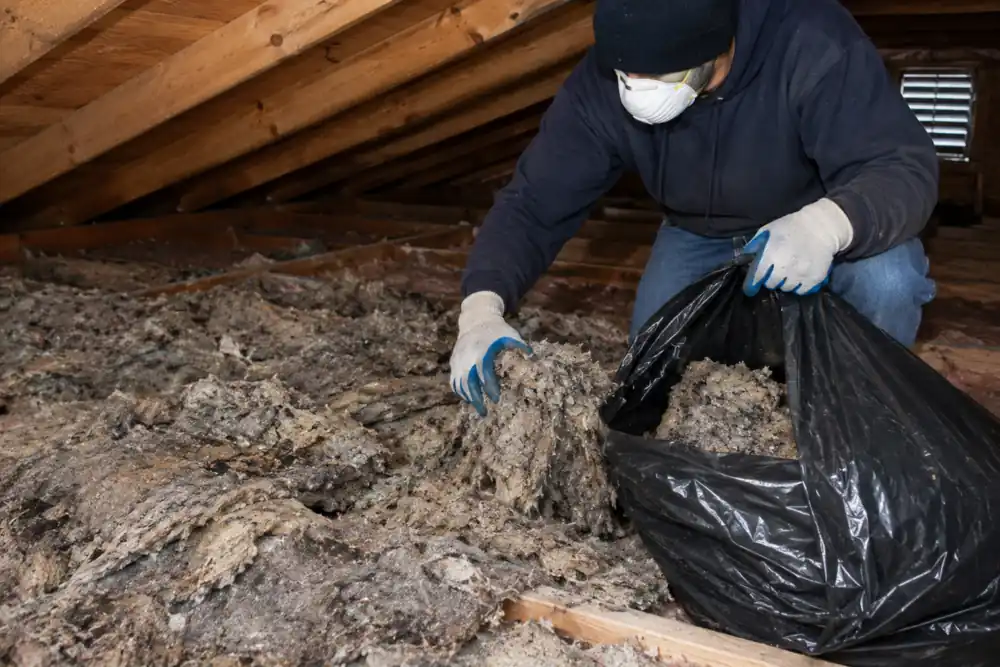
After a mouse or rat problem in a kitchen, garage or storage room, people often wonder how much has to go. A practical rule: anything porous that rodents chewed, nested in or soiled heavily goes; hard surfaces can be disinfected and kept.
| Item | Usually keep | Usually toss |
|---|---|---|
| Food | Sealed cans and glass jars, after wiping with disinfectant | Anything in chewed or soiled boxes, bags or paper |
| Pet food and birdseed | Food stored in sealed hard bins | Open bags with droppings or holes |
| Dishes and utensils | Glass, metal and ceramic, washed in hot soapy water or a dishwasher | Cracked plastic or wooden items with heavy soiling |
| Clothing and linens | Washable fabrics, laundered hot | Items used as nesting material or heavily stained |
| Cardboard boxes and paper | Contents, once inspected and cleaned | The boxes themselves, plus shredded paper |
| Insulation | Clean sections away from activity | Matted, urine-soaked or nest-filled sections |
Upholstered furniture and mattresses with nests inside are hard to clean thoroughly. If a mouse nest is inside a couch or box spring, replacement is often the more practical choice.
Your call connects you with an independent local pest control provider.
Hantavirus in North Carolina: Keeping the Risk in Perspective
Hantavirus is the word that makes people nervous about droppings, so it is worth being clear about the facts.
- North Carolina has recorded one case of hantavirus pulmonary syndrome, back in 1995, according to the state health department.
- The main carrier of the hantavirus strain behind most U.S. cases is the deer mouse, which lives mostly in rural and wooded areas. The house mouse and Norway rat found in most Durham homes are not the main carriers.
- Most U.S. cases occur in western states.
The low risk is not a reason to be careless. Wet-cleaning, gloves and good ventilation protect against hantavirus and against the more common bacteria and allergens in rodent waste. Rural property owners in northern Durham County, where deer mice are more common in barns and sheds, should take extra care when cleaning outbuildings.
Already Swept or Vacuumed Droppings? What to Do Now
This happens a lot, and it is rarely a reason to panic. Here is what to do.
- Stop using the vacuum or broom for rodent cleanup.
- Take the vacuum outside. Spray the inside of the canister or the bag area with disinfectant while wearing gloves, then seal the bag or canister contents in a plastic bag.
- Wipe the vacuum’s exterior, hose and brush with disinfectant.
- Ventilate the room for a while, then wet-clean the area following the steps above.
- If anyone develops a fever, muscle aches or breathing problems within a few weeks, mention the rodent exposure to a doctor.
Rodent Cleanup in Rentals, Restaurants and Businesses
Rental homes and apartments
Tenants should not be left to clean up after a rat infestation caused by building defects. Under North Carolina law, landlords must address rat infestations that come from structural problems, and that includes making the unit safe afterward. Document the problem in writing with photos.
Restaurants and food businesses
Rodent droppings found during a Durham County inspection cost points and can lead to a lower grade. Cleanup in a food business means disposing of contaminated food, sanitizing food-contact surfaces and storage areas, and keeping a record of what was done. Our commercial rodent control page explains how monitoring programs support that.
Buying a home with old droppings
Old droppings in an attic or crawl space are common in Durham’s older housing stock. Gray, crumbly droppings with no fresh ones nearby may mean past activity. Have the area inspected for current activity and open entry points before closing, and plan for cleanup either way.
Rodent Cleanup Questions
Can I hire someone just to clean up rodent droppings?
Yes. Many rodent control providers offer cleanup and sanitation as a separate service, especially for attics, crawl spaces and garages. Make sure the rodents are gone and entry points are sealed first, or you will be paying to clean the same area twice.
What disinfectant should I use on droppings?
A fresh bleach solution of 1 part bleach to 10 parts water works, or a commercial disinfectant whose label lists it for this kind of use. Let it soak for about five minutes before wiping up.
Are old, dried droppings still dangerous?
The risk from old droppings is generally lower, but dried droppings are the ones most likely to break apart into dust. Wet them down with disinfectant before removing them, the same as fresh ones.
Does rodent urine smell go away on its own?
Not quickly. Urine soaks into insulation, wood and drywall paper. Removing soiled material and using an enzyme-based odor treatment on surfaces that stay is usually needed. If the smell is sweet and rotten rather than sharp, see dead rodent removal instead.
Related Rodent Services in Durham
Attic & Crawl Space
Removing rodents and soiled insulation above and below the house.
Attic and crawl space →Dead Rodent Removal
Finding and removing a carcass and the odor it leaves.
Odor removal →Mouse Control
Stopping the mice that left the mess in the first place.
Mouse control →This site is a referral service. Calls are connected with independent rodent control providers serving Durham, NC. See how it works.
Your call connects you with an independent local pest control provider.