Northern Durham County
Rodent Control Bahama NC and Rougemont: Farmhouses, Barns and Lake Country
Northern Durham County still looks like farm country: pastures, horse barns, old tobacco land, woods running down to Lake Michie and the Little River, and newer homes on large lots. Rats and mice here live in barns, feed rooms and hay as much as in houses, and the fix has to cover both.
- Farmhouses and rural homes
- Barns, sheds and feed
- Lake and river lots
Your call connects you with an independent local pest control provider.
Durham’s Country Crossroads
Bahama grew up around a railroad station on the Lynchburg and Durham line, completed in 1890. The following year, the village that had been called Hunkadora was renamed for three local families, the Balls, Harrises and Mangums, taking the first letters of each name. Nearby, the Orange Factory, opened in 1852, was the first cotton mill in what became Durham County, and tobacco was the main cash crop on the surrounding farms for generations.
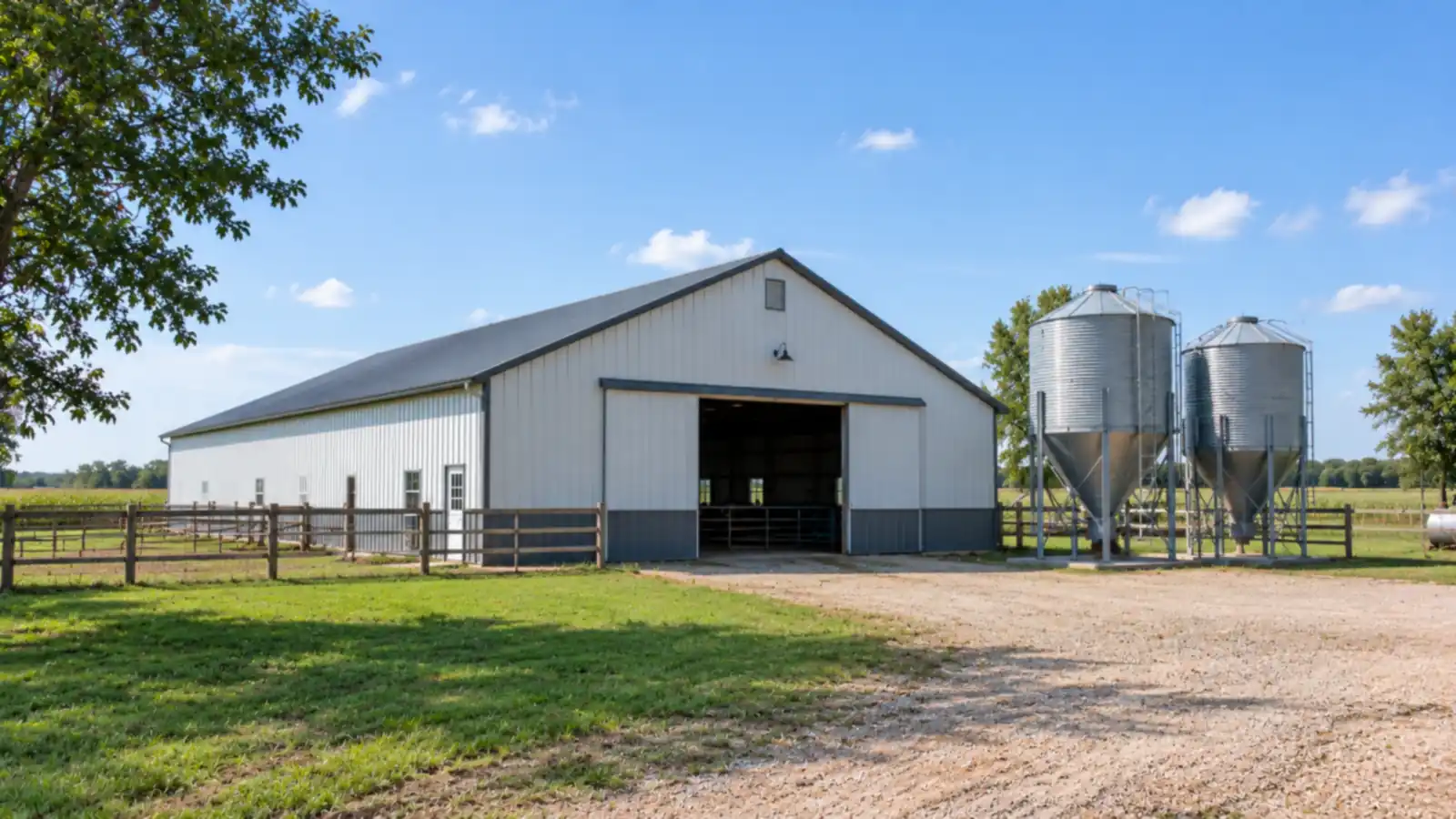
Rougemont sits farther north along the Person County line. Between the two lie Lake Michie, created by a dam built in 1926 to supply Durham’s water, the Little River and its reservoir, and the western reaches of Falls Lake. Much of the land is still farms, horse properties and woods, with newer homes built on large lots along the country roads. Many properties combine a newer house with older outbuildings that have stood for decades, and those older barns and sheds are usually where rodent trouble starts.
That landscape supports big outdoor rodent populations. Fields and hay meadows are full of mice, rats live around barns and creek banks, and when crops come off and the weather cools, the nearest buildings with food and warmth get busy.
The mix of old and new matters for rodent control. A farmhouse from the early 1900s and a new house built on a subdivided field may sit side by side on the same road, with completely different weak spots. One needs its foundation and crawl space sealed; the other needs its garage door, weep holes and utility lines checked.
Rats in the Barn: The Most Common Rural Call
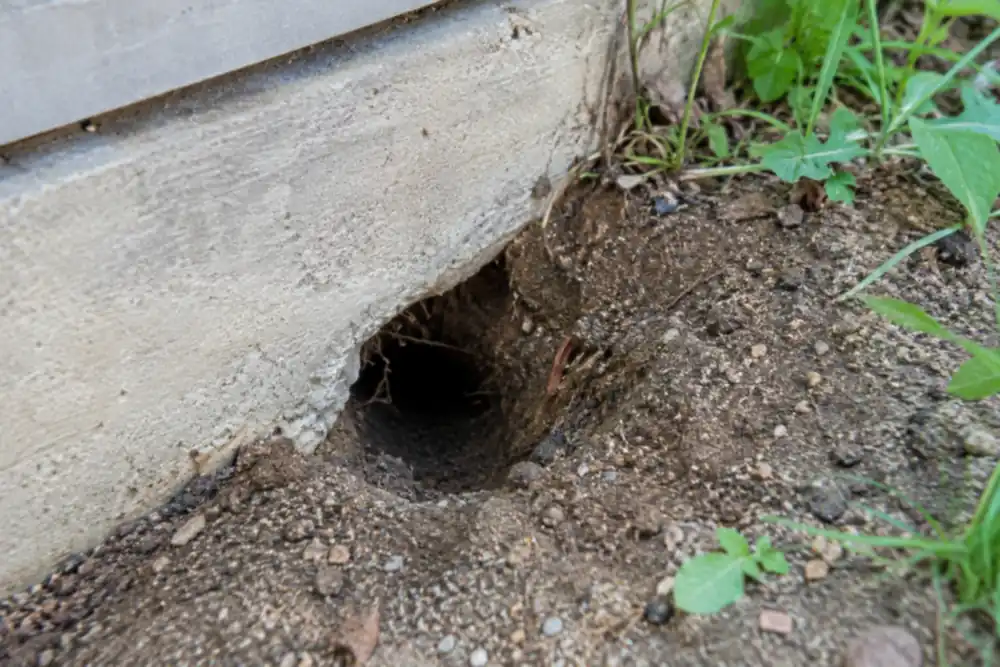
Norway rats thrive around barns, stables and feed rooms. They burrow under concrete pads and along foundations, chew into feed bins, and contaminate hay and grain with droppings and urine. Signs include:
- Burrows 2 to 4 inches wide along barn foundations, under feed rooms and beside water troughs.
- Chewed feed bags, holes gnawed through wooden bins and spilled grain trails.
- Droppings about three-quarters of an inch long in feed rooms and along walls.
- Rats seen at dusk or in daylight, which usually means a large population.
A barn program combines trapping, locked and anchored bait stations placed where horses, livestock, dogs and barn cats cannot reach them, and changes to feed storage. Metal feed cans with tight lids, a sealed feed room with a solid door sweep, and hardware cloth along burrowing areas make the biggest difference. Our rat removal page explains how trapping is handled.
Rodent Control Bahama Homeowners Need for the House Itself
Rural homes face the same entry points as town homes, but with more pressure from outside. Older farmhouses often have stone or brick pier foundations, crawl spaces with loose vents and old additions. Newer homes on large lots have attached garages, brick weep holes and HVAC line sets next to woods and fields.
- Seal crawl space vents with metal hardware cloth and repair access doors.
- Close gaps around plumbing, wells, utility lines and HVAC penetrations with mesh and sealant.
- Replace worn garage door seals and add sweeps to exterior doors.
- Trim trees and brush back from the house and keep firewood on a rack away from the walls.
Our rodent exclusion page covers which materials hold up against rats and mice.
5 Simple Fixes for Rural Properties
Store feed in metal
Grain, sweet feed, dog food and birdseed in metal cans with tight lids. Plastic bins and paper bags get chewed open.
Clean up spills daily
Spilled grain around stalls, coops and feeders is the main food source for barn rats. Sweep it up every day.
Get hay and storage off the ground
Pallets under hay and stored items, with a gap from the walls, take away nesting spots and let you see activity.
Check equipment and vehicles
Mice nest in tractors, mowers, trucks and side-by-sides that sit for a while, and chew wiring. Look under the hood before starting.
Protect the house first
Seal the home well, because a busy barn will keep sending rodents toward it every fall.
Lake Michie, the Little River and Wooded Lots
Homes near Lake Michie, the Little River and the creeks that feed Falls Lake sit beside long stretches of protected woods and shoreline. Those areas are home to native rodents such as white-footed and deer mice, along with Norway rats near farms and buildings. Most of them never come near a house. The ones that do usually find a woodpile, a shed with stored birdseed, or a crawl space vent with a broken screen.
Weekend and seasonal places along the water need special attention. A cabin or lake house that sits closed for weeks is quiet, dark and full of nesting material in stored linens and cushions. Owners often return to find droppings in kitchen drawers and nests in mattresses. A pre-season inspection and sealing, plus storing linens in sealed plastic tubs, prevents most of it.
Your call connects you with an independent local pest control provider.
Mice in Rural Homes After Harvest and Mowing
Many rural homeowners notice a sudden jump in mice in September and October, right after hay is cut or nearby fields are harvested. Mice that lived in the cover of tall grass lose it overnight and head for buildings. The first cold nights later in fall send a second wave.
Getting ahead of it means sealing the house and garage in late summer, before mowing and harvest. If mice are already in the walls or kitchen, trapping along walls and in the garage, combined with sealing, clears most homes in a few weeks. See mouse control for the details.
Cleaning Barns and Sheds Safely
Deer mice are more common in barns, sheds and cabins in rural areas than in town. They are the main carrier of the hantavirus strain behind most U.S. cases. North Carolina has recorded only one case, in 1995, but rural cleanups are where extra care makes sense.
- Open doors and windows to air out a closed shed or barn room for 30 minutes before cleaning.
- Wear gloves, and consider a well-fitted respirator for large accumulations.
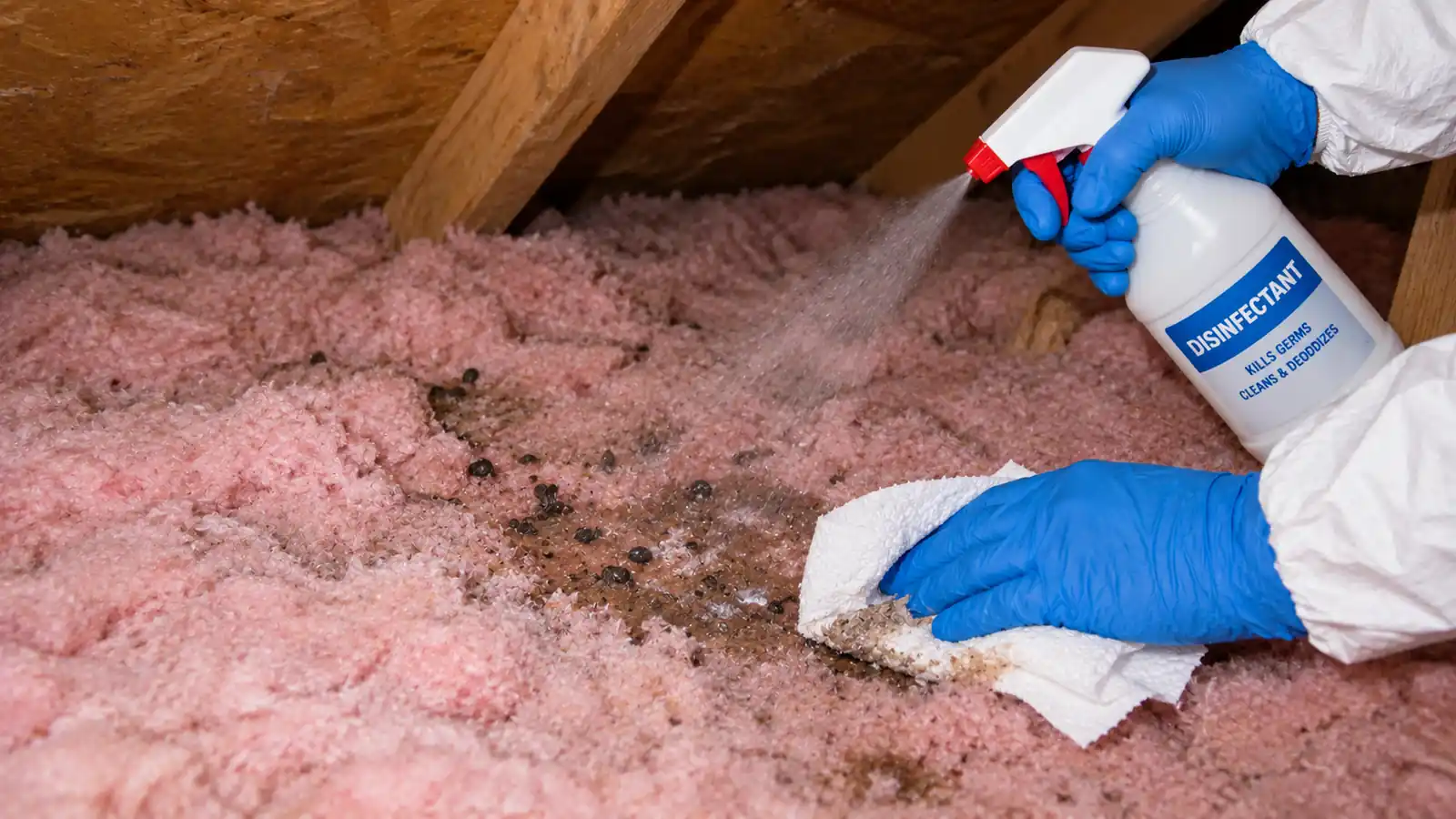
- Spray droppings and nests with disinfectant or a bleach solution and let it soak before removing.
- Never sweep or use a leaf blower on droppings.
The full method is on our rodent cleanup page, based on CDC guidance.
What to Mention When You Call From Bahama or Rougemont
- Your address and ZIP code (27503 for Bahama, 27572 for Rougemont), since coverage in rural areas can vary.
- Whether the problem is in the house, the barn, outbuildings or all of them.
- Animals on the property: horses, livestock, chickens, dogs and barn cats.
- How feed and hay are stored.
- Where you have seen activity and for how long.
Bahama and Rougemont Rodent Questions
How do I get rid of rats in my barn?
Combine trapping and carefully placed, locked bait stations with changes to feed storage and daily cleanup of spilled grain. Seal the feed room and burrowing areas with hardware cloth. Without removing the food source, rats return quickly.
If I see one rat in the barn, how many are there?
Usually many more. Rats are cautious and mostly active at night, so one seen in daylight often points to a large colony competing for food. Look for burrows and droppings to judge how big the problem is.
Are barn cats enough to control rodents?
Cats catch some mice and young rats, but they rarely keep up with a well-fed population in a barn with open feed. They work well alongside good feed storage and sealing.
Do horse farms need a different approach?
Mostly in how products are placed. Horses are curious and strong, so any bait station must be locked, anchored and out of reach, and many horse owners prefer trapping and exclusion in stalls and tack rooms. Sweet feed and grain attract rats more than hay, so the feed room is usually the first place to seal.
Will rodents from the barn get into my house?
Often, yes, especially in fall. A large barn population sends a steady stream toward the house. Sealing the home and controlling the barn together keeps the house clear.
Is rodent control in Bahama different from in the city of Durham?
The methods are the same, but rural jobs usually involve outbuildings, feed storage and animals, and the house is often under more pressure from surrounding fields. Expect the inspection to cover the whole property, not just the home.
Services Most Requested in Northern Durham County
Rat Removal
Rats in barns, feed rooms and under houses.
Rat removal →Mouse Control
Mice moving in after harvest and the first cold nights.
Mouse control →Rodent Cleanup
Safe cleanup of barns, sheds and attics.
Cleanup and sanitation →For the main Durham page, see rodent control in Durham. This site is a referral service connecting callers with independent local providers.
Your call connects you with an independent local pest control provider.