Businesses · Durham, NC
Commercial Rodent Control Durham NC: Restaurants, Apartments, Offices and Warehouses
A business cannot wait for rodents to go away on their own. One mouse in a dining room, droppings in a stockroom or a rat at the dumpster can mean a lost inspection grade, a tenant complaint or damaged inventory. Commercial rodent control is built around prevention, monitoring and records you can show an inspector.
- Restaurants and food service
- Apartments and HOAs
- Offices, labs and warehouses
Your call connects you with an independent local pest control provider.
How Commercial Work Differs From a House Call
A home rodent job usually ends when the animals are out and the gaps are sealed. Businesses need more than that, because the conditions that attract rodents never fully go away: deliveries arrive daily, trash piles up, doors open constantly, and food or inventory sits in storage.
That is why commercial rodent control usually runs as an ongoing program rather than a one-time visit. A typical program includes an initial inspection and exclusion work, a map of every monitoring device, scheduled service visits, written reports after each visit and recommendations for the business to act on, such as fixing a door sweep or moving a dumpster.
Steady prevention also tends to be easier on a business than repeated crisis visits after customers or tenants have already seen a rodent, and it gives managers a record that shows the problem is being handled.
Restaurants and Food Businesses
Durham’s restaurant scene, from downtown and the American Tobacco Campus to Ninth Street, Brightleaf and the shopping centers along US 15-501, creates exactly the conditions rodents look for: steady food, grease, deliveries and older buildings.
What is at stake
Durham County Environmental Health inspects food establishments and scores them on a 100-point scale. An A grade is 90 or above, a B is 80 to under 90, and a C is 70 to under 80, and grades are posted for customers to see (Durham County Environmental Health). Evidence of rodents is one of the fastest ways to lose points, and local news outlets regularly publish the weakest scores.
Where restaurant rodent problems start
- Back doors propped open during deliveries and kitchen cooling.
- Gaps under back doors and around utility lines entering the kitchen.
- Dumpster pads and grease bins close to the building.
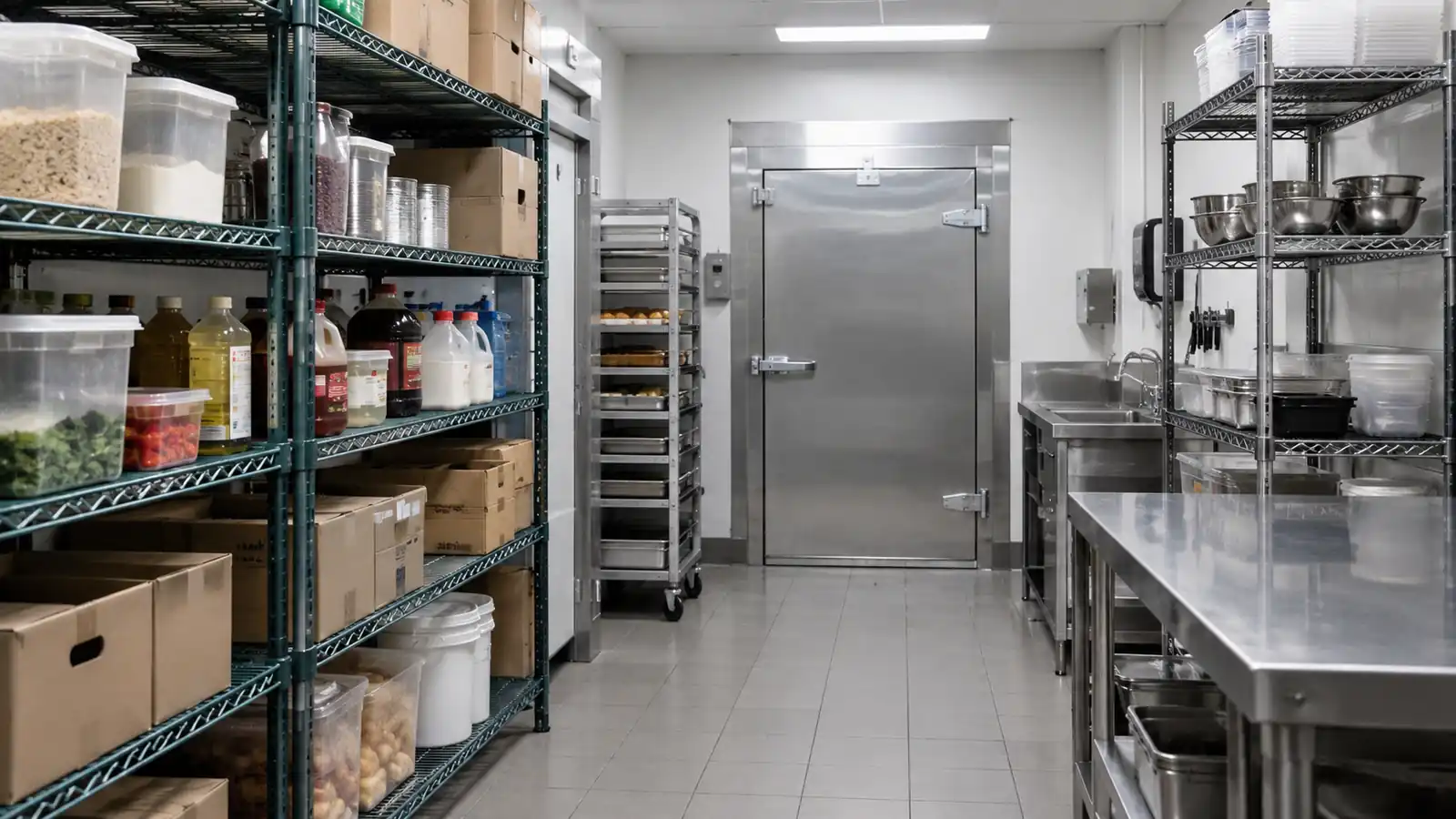
- Dry storage with food in cardboard and paper sacks on the floor.
- Floor drains, wall voids behind cooking lines and gaps around walk-in coolers.
What a restaurant program usually includes
Interior traps along walls in storage and prep areas, locked bait stations outside along the building perimeter, door sweeps and sealing at every exterior penetration, a service log kept on site, and visits scheduled around service hours. Ask providers how often they visit and what the written report includes.
Apartment Complexes, HOAs and Rental Portfolios
Close to half of Durham County homes are renter-occupied, and multi-unit buildings share walls, attics, crawl spaces and trash areas. Rodents treat a building as one connected space.
- Dumpster corrals are usually the hub. Overfilled containers, lids left open and bags left on the ground feed Norway rats that burrow into nearby landscaping.
- Shared crawl spaces and attics in older complexes and converted houses let mice move between units.
- Turnover means some units sit empty, with no one noticing activity until the next tenant moves in.
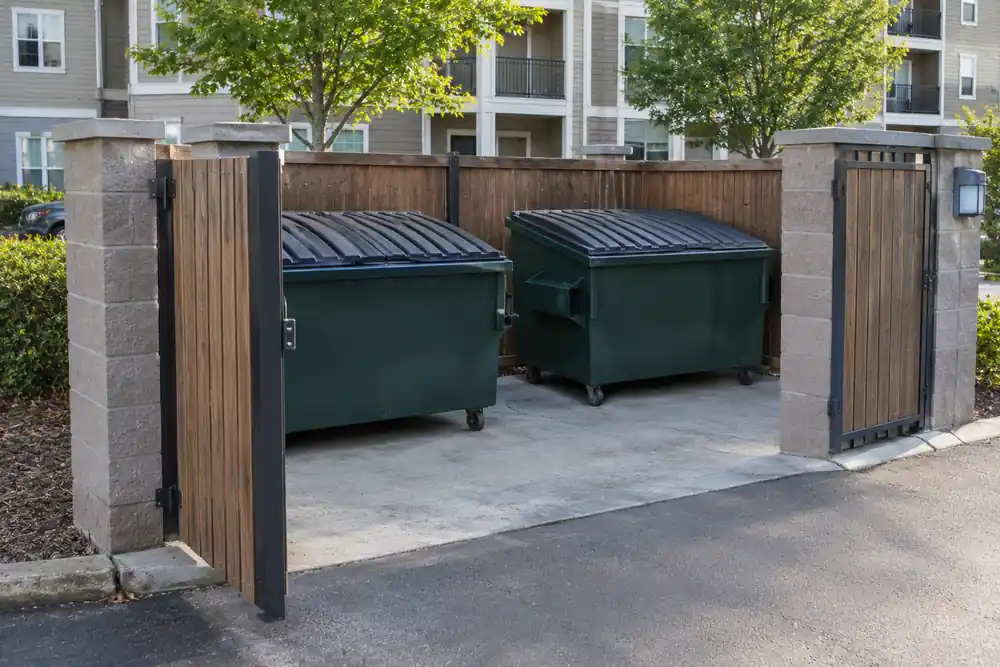
Property managers get better results treating whole buildings instead of single units, keeping a log by unit and building, and fixing trash enclosure problems along with the rodent work. North Carolina law requires landlords to address rat infestations caused by structural defects, so documentation also protects the owner. For the sealing side of this, see rodent exclusion.
Offices, Labs and Research Triangle Park Buildings
Office parks, medical offices and lab buildings around Research Triangle Park and along I-40 deal with a quieter version of the same problem. Break rooms, stored snacks and mail rooms attract mice, and drop ceilings connect suites so rodents move across a whole floor.
Lab and medical facilities usually need tighter documentation, careful placement of any bait so it stays away from sensitive areas, and coordination with facilities staff. Many businesses prefer visits outside normal working hours; ask each provider what scheduling they can offer.
Warehouses, Distribution and Older Industrial Buildings
Durham’s location at the junction of I-85, I-40 and the Durham Freeway brings a lot of warehouse and distribution space, along with older brick industrial buildings that have been converted to offices and shops. Both have the same weak spots: dock doors, roll-up doors with worn seals, pallets stored against walls, and openings where utilities run through block walls.
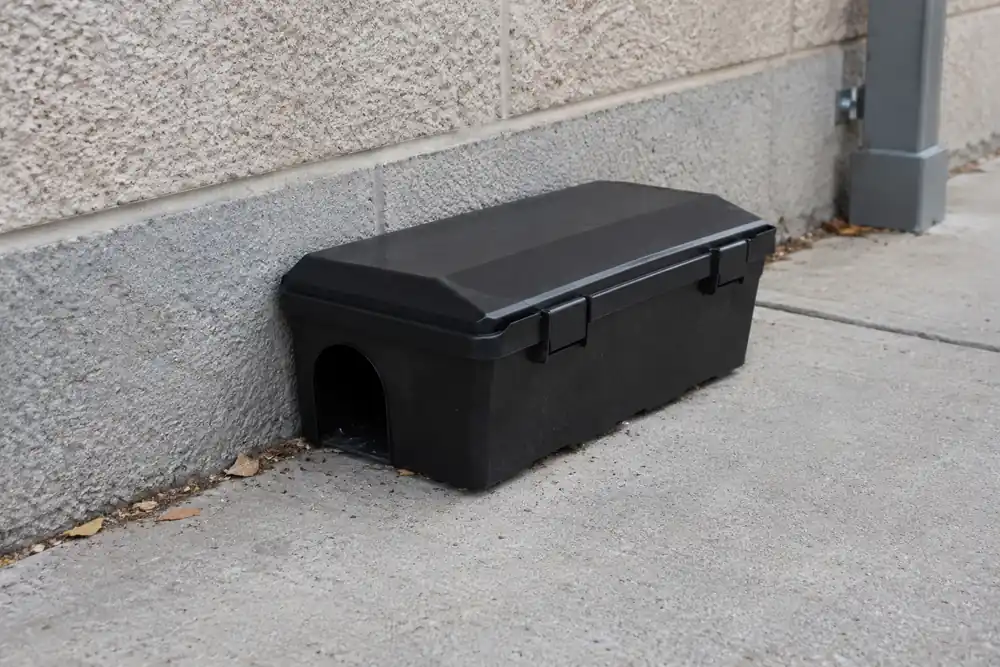
A warehouse program typically places multiple-catch traps along interior walls at regular intervals, exterior bait stations around the perimeter, and dock and door seals that close the gaps rodents use. Keeping a clear strip between stored goods and the walls makes inspection possible. For businesses that go through third-party food safety or quality audits, the device map and service records are usually part of the audit.
Retail, Grocery and Convenience Stores
Stores that sell packaged food, pet food or birdseed are rodent magnets, especially in strip centers where several businesses share a back wall and a dumpster area. Mice get into chewed bags on low shelves, and customers notice. A retail program focuses on the stockroom, receiving door and the shared back corridor, with traps placed where staff can see and report activity. Rotating stock so older bags do not sit against walls for months makes a noticeable difference.
Shared walls in strip centers also mean a neighbor’s problem becomes yours. If the restaurant next door has rodents, ask your landlord to coordinate service across the building rather than treating one storefront.
Your call connects you with an independent local pest control provider.
When Durham Businesses See the Most Rodent Pressure
Business rodent activity follows the same seasonal pattern as homes, with a few differences. Pressure rises from October through February as rodents move indoors, and restaurants often see the first mice right after the first cold snap. Summer brings more rats around dumpsters and grease bins, especially when pickup schedules slip around holidays. Construction nearby, which has been constant downtown and along the Durham Freeway corridor, can push rodents into neighboring businesses at any time of year. Planning exclusion work in late summer and keeping monitoring steady through winter covers the busiest stretch.
Commercial Rodent Control Durham Businesses Can Check: Monitoring and Records
The paperwork matters as much as the traps. A good provider should give you:
- A device map showing every trap and station, numbered, inside and out.
- A service report after each visit listing what was checked, any activity found, and any product used.
- Trend notes over time, so you can see whether activity is rising or falling in a particular area.
- Corrective actions the business is responsible for, such as repairing a door, cleaning behind equipment or moving dumpsters.
- Proof of the provider’s North Carolina pest control credentials, which you can verify through the state’s credential search.
Keep a copy of the logs where your manager and any inspector can find them.
What to Do if an Inspector Finds Droppings
- Clean and sanitize the affected areas immediately, using wet methods and disinfectant. Discard any food in contaminated packaging. See rodent cleanup for the safe method.
- Find where the rodents are getting in. Check back doors, the dock area, utility penetrations and gaps around coolers.
- Bring in a provider to inspect, set traps, seal the openings and start a monitoring schedule.
- Keep records of every step and every service visit so you can show what changed at the next inspection.
- Fix the habits that fed the problem: propped doors, open dumpster lids, food stored on floors.
Commercial Rodent Control Questions
How often should a restaurant have rodent service?
Many restaurants use monthly service, with more frequent visits while an active problem is being cleared. Busy kitchens in older buildings sometimes need visits every two weeks during the fall and winter.
What do professionals use for rodents in businesses?
A mix of snap traps and multiple-catch traps indoors, locked tamper-resistant bait stations outdoors, sealing materials such as hardware cloth, metal flashing and door sweeps, and a written monitoring system. The exact products depend on the type of business and local rules.
Who pays for rodent control in an apartment?
In North Carolina, landlords are responsible for repairing rat infestations caused by defects in the structure. Lease terms can address pest control more broadly, but the structural duty stays with the landlord.
Can rodent work be done without disrupting business?
Usually. Much of the exterior work and monitoring happens without customers noticing, and many providers can schedule interior work before opening, after closing or on slow days. Ask about scheduling when you call.
Related Pages
Rat Removal
Norway rats around dumpsters, docks and foundations.
Rat removal →Morrisville & RTP
Offices, labs and new apartment complexes near the park.
Rodent control in Morrisville →Carrboro
Rental-heavy neighborhoods and small businesses.
Rodent control in Carrboro →This site is a referral service. Calls are connected with independent rodent control providers serving Durham, NC. See how it works.
Your call connects you with an independent local pest control provider.