
Exclusion · Durham, NC
Rodent Exclusion Durham NC: Closing the Gaps So They Stop Coming Back
If you have trapped mice every winter for three years, the traps are not the problem. Rodent exclusion finds every opening rats and mice use to get into your house and closes it with materials they cannot chew through. It is the step that makes every other part of the job last.
- Older mill and frame houses
- Crawl spaces and rooflines
- Newer brick and siding homes
Your call connects you with an independent local pest control provider.
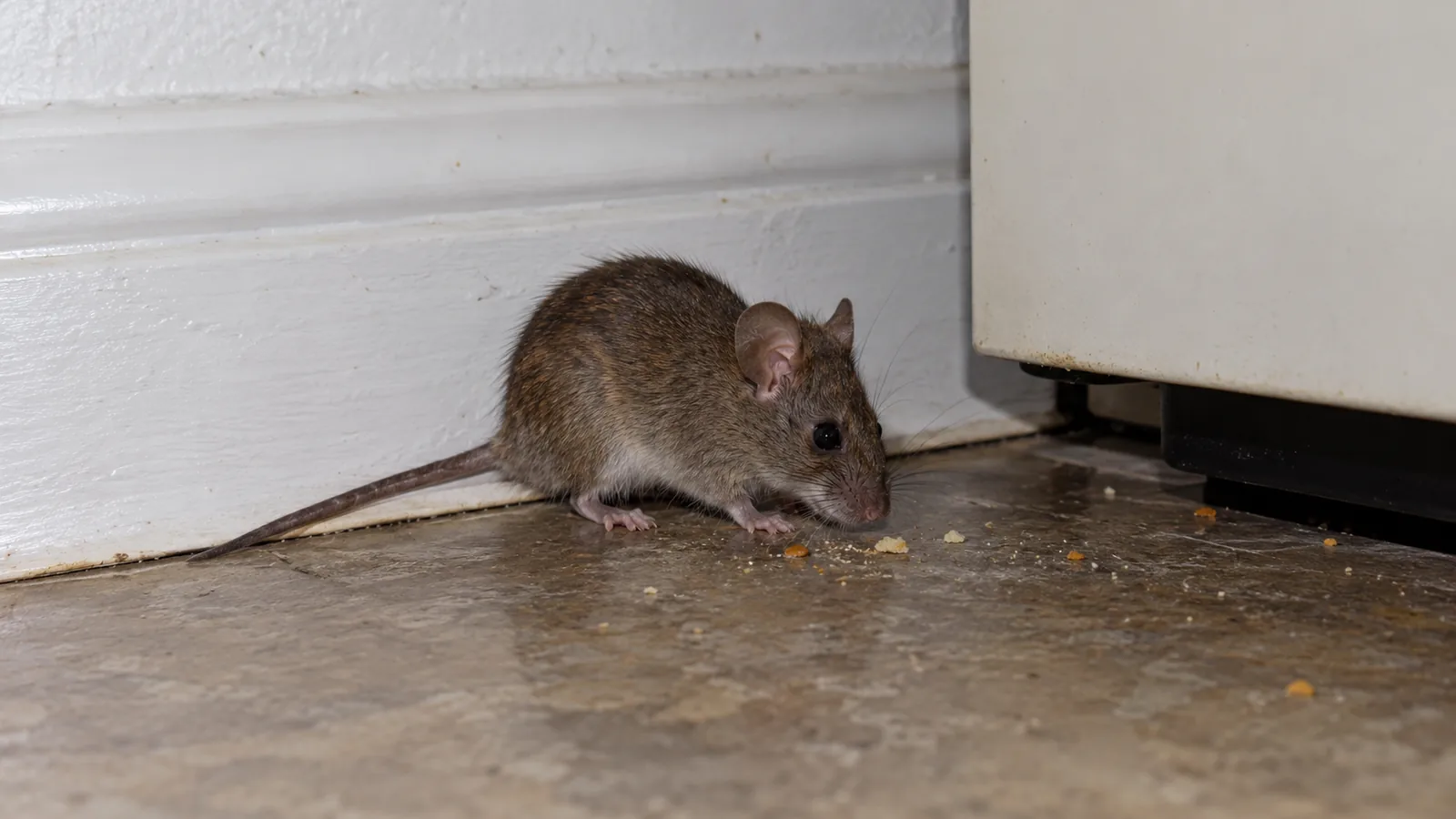
Why Durham Houses Keep Letting Rodents Back In
Durham’s housing stock covers more than a century, and every era leaves its own weak spots. Rodent exclusion here is less about one magic product and more about knowing where to look on each type of house.
- Mill-era homes (1890s to 1920s). The frame houses around the old Erwin, Pearl and Golden Belt mills sit on brick piers or low foundations with open or vented crawl spaces. Sills have settled, siding has shrunk, and porches and additions were tacked on over decades.
- Bungalows and post-war ranches (1920s to 1960s). Neighborhoods like Walltown, Old North Durham, Northgate Park and Lakewood have block foundations with crawl space vents, original wood windows and chimneys that have lost their caps.
- Newer subdivisions (1990s onward). Homes in South Durham, Woodcroft and around Southpoint have tighter framing, but attached garages, brick weep holes, HVAC line sets and roof returns give mice plenty of options.
The common thread is the size of the gap. A house mouse can get through about a quarter inch. A young rat needs roughly half an inch. That means a house can look solid from the street and still have dozens of usable entry points.
The 9 Entry Points Found Most Often on Durham Homes
A thorough inspection works around the house from the ground up. These are the openings that most often need sealing.
1. Crawl space vents
Rusted or missing screens, bent louvers and plastic vent covers. Rats chew plastic covers in a night.
2. Crawl space access doors
Loose wood doors with gaps at the bottom or hinge side, often left unlatched after a plumber’s visit.
3. Sill and foundation seams
Where the wood framing sits on brick or block, settling opens long gaps rodents work wider.
4. Utility penetrations
Water, gas, cable, electrical and HVAC line set holes, usually packed with foam or fiberglass.
5. Garage doors
Worn bottom seals and gaps at the side jambs, the top entry route for mice in attached-garage homes.
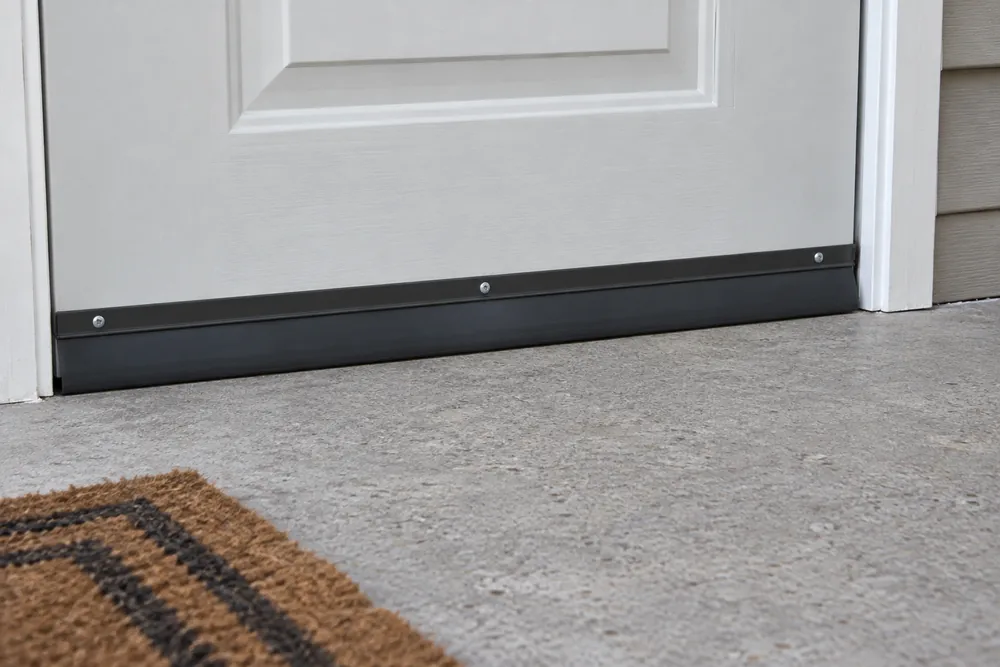
6. Exterior doors
Missing or torn door sweeps, especially on basement, back porch and laundry room doors.
7. Brick weep holes
The small drainage gaps at the base of brick veneer lead straight into the wall cavity.
8. Roof returns and soffits
Gaps where the soffit meets the roofline or a lower roof meets a wall, often opened first by squirrels.
9. Chimneys and roof vents
Missing chimney caps, damaged gable vent screens and plumbing vent boots with gaps.
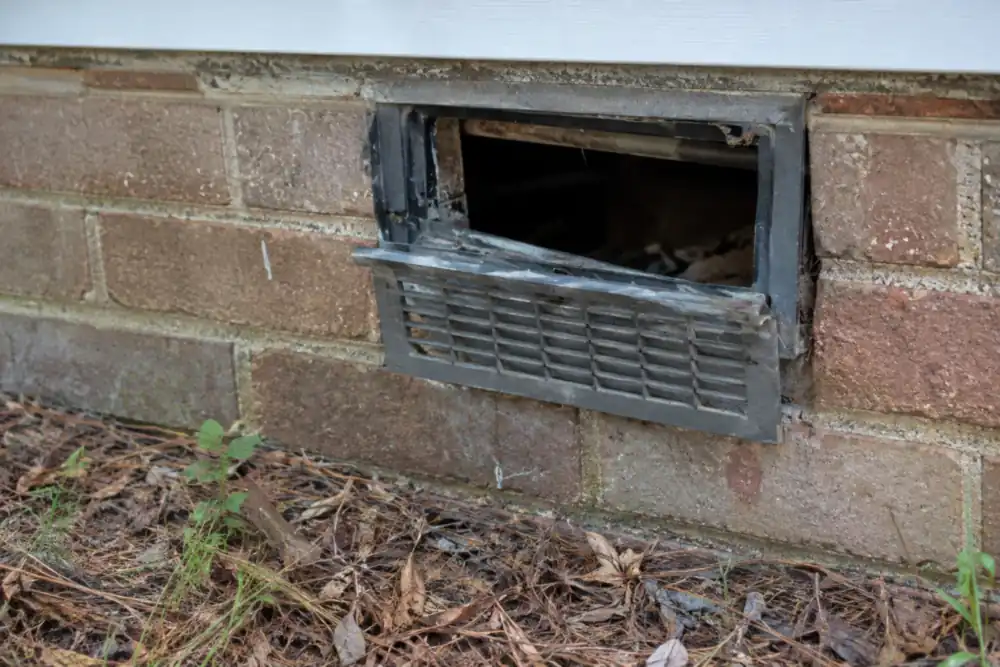
Materials That Hold Up and Materials Rodents Chew Through
Rodent incisors grow constantly, so gnawing is part of daily life for a rat or mouse. Sealing with the wrong material buys a few weeks at most. This is the difference between rodent proofing that lasts and a patch that fails.
| Opening | Holds up | Fails |
|---|---|---|
| Crawl space and gable vents | Galvanized hardware cloth (1/4 inch mesh) fastened over the frame, or heavy-gauge metal vent covers | Plastic vent covers, window screen |
| Pipe and line-set holes | Copper or stainless mesh packed tight, finished with sealant or mortar | Expanding foam alone, fiberglass, steel wool that rusts |
| Sill and foundation gaps | Mortar, metal flashing, mesh with sealant | Caulk alone on gaps wider than a pencil |
| Doors | Heavy brush or rubber door sweeps with a metal channel, metal kick plates | Foam weatherstrip |
| Garage doors | New bottom seal sized to the slab, side jamb seals, rodent-resistant guards | Old cracked rubber |
| Weep holes | Stainless steel weep screens that still let water drain | Mortar or caulk, which traps moisture in the wall |
| Burrowing under slabs and sheds | Buried hardware cloth skirt bent outward in an L shape | Gravel or soil fill |
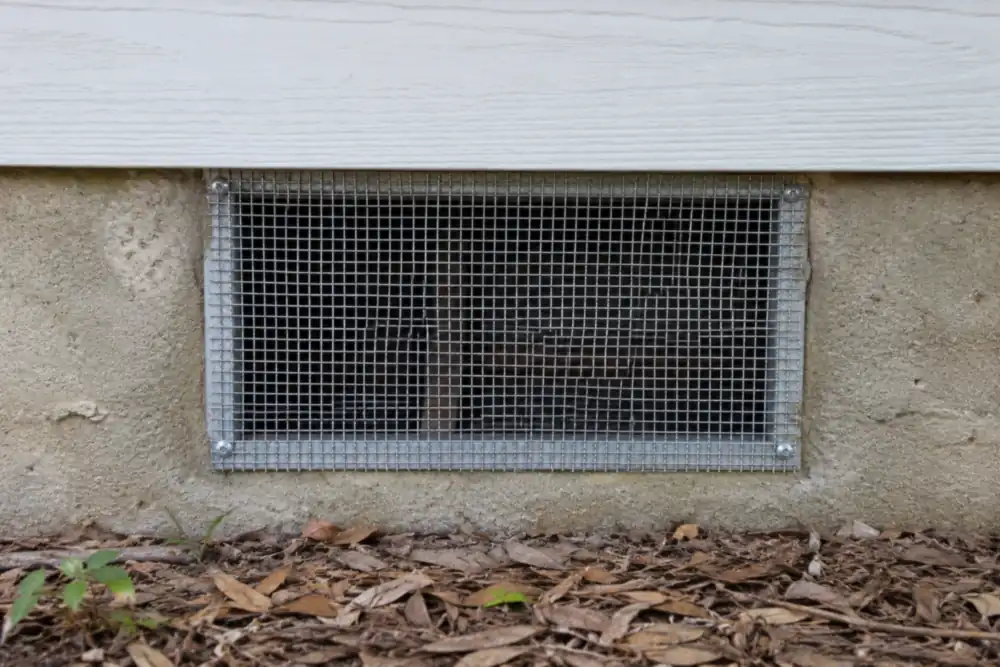
Rats can jump about three feet straight up and climb rough brick, downspouts and wiring, so rodent proofing has to cover the roofline as well as the foundation. Keeping tree limbs trimmed back several feet from the roof takes away the easiest route to the attic.
Rodent Exclusion Durham Providers Do, Step by Step
Full inspection
Ground level, crawl space, garage, attic and roofline. You should get a list or photos of each entry point, not a general statement that the house “needs sealing.”
Remove the animals first, or at the same time
Sealing rodents inside the house sends them chewing through walls to get out, or leaves them to die in a wall. Exclusion is timed with rat removal or mouse control, sometimes with one-way exits on active holes.
Seal from the bottom up
Foundation, vents and utility entries first, because that is where most rodents enter Durham houses. Then doors, garage and the roofline.
Check the work
Follow-up visits look for fresh gnawing at sealed spots, new droppings and any opening that was missed. A good provider comes back to fix what rodents test.
What a Good Exclusion Estimate Should Show You
Rodent exclusion quotes vary a lot, and the one with the smallest number often leaves out the hard-to-reach openings. Before you agree to the work, the provider’s write-up should answer these questions clearly.
- Where is each opening? A list or set of photos by location: front left vent, kitchen line set, garage door, rear roof return. Vague wording like “seal entry points as needed” makes it impossible to check the work later.
- What material goes in each spot? Hardware cloth, copper mesh, flashing, mortar, door sweeps. If the answer is mostly foam, ask why.
- Is the roofline included? Many estimates cover the foundation only. In two-story Durham homes with mature trees, the roof returns and gable vents matter just as much.
- How is trapping coordinated? Sealing should happen alongside removal so nothing gets trapped inside a wall.
- What happens if rodents test a sealed spot? Ask how many follow-up visits are included and whether repairs to their own work are covered for a set period.
Having these answers in writing protects you, and it gives a landlord or property manager something concrete to approve.
Your call connects you with an independent local pest control provider.
When to Schedule Rodent Proofing in Durham
The ideal time is late summer to early fall, before the October and November push of mice indoors. Sealing a house in September means the fall wave hits closed doors. If rodents are already inside, the work still makes sense at any time of year, timed with trapping.
Spring is the other good window. After a winter of activity, a spring inspection shows which openings were used, and sealing them before summer breeding cuts off next year’s problem early. Homeowners finishing renovations, adding a deck or replacing an HVAC system should also have new penetrations checked, because contractors often leave gaps around new lines and framing.
Exclusion for Rentals, Duplexes and Commercial Buildings
Shared walls and shared crawl spaces change the job. In a Durham duplex, sealing only one side leaves the other half as a staging area, and rodents work along the shared foundation until they find a way back. Landlords get better results sealing whole buildings at once, ideally before October.
Older brick commercial buildings downtown and around the old tobacco warehouses have loading dock doors, floor drains, utility chases and gaps under roll-up doors that need heavier materials. Restaurants and food businesses usually pair exclusion with a monitoring program; see commercial rodent exclusion for how that works.
For renters: entry gaps in the structure are the landlord’s responsibility under North Carolina law when they lead to a rat infestation. Report it in writing and keep a copy.
Why Repellents Do Not Replace Sealing
Ultrasonic plug-ins, peppermint oil, mothballs and scented pouches are sold as rodent proofing, but none of them close a gap. Rodents that want shelter will tolerate smells and noise, and many get used to ultrasonic devices within days. Mothballs indoors at levels strong enough to bother rodents are a health concern for people. Our article on whether rodent repellents work goes through each product and what testing shows.
Sealing is less exciting than a gadget, but it is the only step that physically stops rodents from getting in. University extension services consistently list exclusion as the most effective long-term control for rats and mice (NC State Extension).
Rodent Exclusion Questions
How do you get rid of rodents permanently?
Remove the rodents inside, take away food and shelter around the house, and seal every entry point with chew-resistant materials. Of the three, sealing is the one that keeps the result from fading. Nothing is truly permanent on an old house that keeps settling, so a yearly check of vents, door sweeps and the garage seal is worth doing.
What is the most effective rodent control?
Exclusion combined with trapping. Poison and repellents may reduce numbers for a while, but without closing entry points, new rodents keep replacing the ones removed.
Can you really mouse-proof a house?
You can get very close. Mice need only about a quarter inch, so the work has to be detailed, but a careful inspection and good materials will stop nearly all entries. The remaining risk is new gaps from settling, renovation or storm damage.
How long does rodent exclusion take?
For a typical Durham single-family home, the sealing itself often takes one to two days, depending on the number of openings and how much is at the roofline. Older houses with open crawl spaces can take longer.
Which rodent is hardest to keep out?
House mice, because of how small a gap they need. Rats are stronger chewers, but mice find more openings.
Related Rodent Services in Durham
Rat Removal
Trapping Norway rats from crawl spaces and foundations.
Rat removal →Mouse Control
Removing mice from walls, kitchens and garages.
Mouse control →Attic & Crawl Space
Roofline gaps, attic nests and crawl space damage.
Attic and crawl space →This site is a referral service. Calls are connected with independent rodent control providers serving Durham, NC. See how it works.
Your call connects you with an independent local pest control provider.