Wake and Durham counties · Research Triangle Park
Rodent Control Morrisville NC: New Neighborhoods, Office Parks and the RTP Corridor
Morrisville has grown from a crossroads railroad town into one of the fastest-growing places in the Triangle, wedged between Research Triangle Park, the airport and I-40. All that new construction next to woods and creeks keeps pushing mice and rats into homes, apartment complexes and commercial buildings.
- Townhomes and new subdivisions
- Apartment communities
- Offices, labs and warehouses
Your call connects you with an independent local pest control provider.
Why Growth Brings Rodents in Morrisville
Morrisville takes its name from Jeremiah Morris, who gave land to the North Carolina Railroad for a depot in 1852. For most of its history it was a small town; it had about 5,200 residents in 2000. By 2025 the Census Bureau estimated more than 32,000. The town lies mostly in Wake County, with a small piece reaching into Durham County, and borders both Research Triangle Park and Raleigh-Durham International Airport.
That kind of growth matters for rodents. Every new subdivision, apartment community and office building starts as cleared land, and the mice and rats that lived in the fields and woods there move to the nearest buildings. Construction also brings piles of materials, open trenches and temporary dumpsters, all of which give rodents cover and food. Neighborhoods built in the last 10 to 20 years, right next to newer construction, see this pattern repeatedly.
Water and green space add to it. The upper part of Crabtree Creek runs through the town’s core and feeds Lake Crabtree, which sits inside a county park of about 250 acres on the town’s southeast side. Creek buffers and wooded strips between developments give rodents travel routes right up to back fences.
Rodent Problems in Newer Morrisville Homes
Newer homes are tighter than old mill houses, but they are far from rodent-proof. The usual entry points in Morrisville townhomes and single-family homes are:
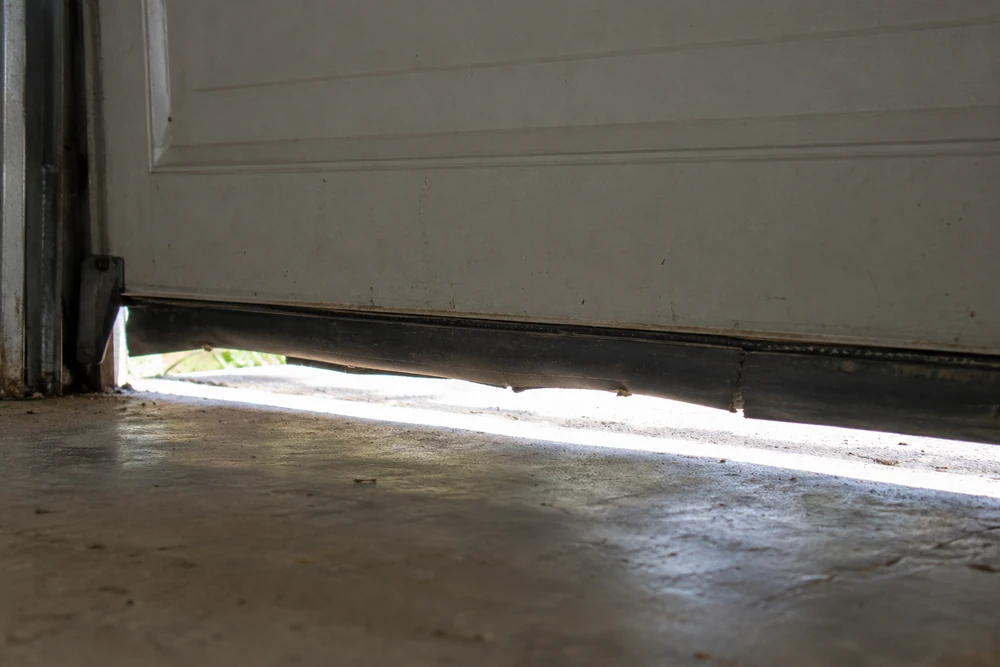
- Garage doors with bottom seals that do not sit flat on the slab, or side gaps at the jambs.
- Brick weep holes along the bottom row of brick veneer.
- HVAC line sets and utility penetrations sealed with foam that mice chew through easily.
- Roof returns and soffit gaps where builders left openings at roof intersections.
- Shared walls and attics in townhome rows, which let mice travel from one unit to the next.
Mice that get into an attached garage often climb into the ceiling of a bonus room above it, which is common in two-story homes here. Our mouse control page explains how those jobs are handled, and rodent exclusion covers sealing materials that last.
Apartment Communities and Townhome HOAs
Morrisville has a large share of apartment and townhome communities. Rodent issues in these properties usually center on three things: trash compactors and dumpster corrals, shared walls and utility chases between units, and landscaping beds with thick mulch and shrubs right against buildings.
Management companies and HOAs get better results when rodent control is handled community-wide rather than unit by unit. That means a perimeter program around buildings and trash areas, sealing at common entry points, and a way for residents to report activity early. If you rent and have mice, report it to management in writing so the problem is documented.
Offices, Labs and Warehouses Around RTP and the Airport
Research Triangle Park, created in 1959, is one of the largest research parks in the country, and the business areas around it in Morrisville include offices, labs, data centers, hotels, light industrial space and distribution warehouses near the airport and I-40.
Offices
Break rooms, food deliveries and drop ceilings that connect suites. Mice in one office often mean mice across the floor.
Labs and medical
Tighter documentation and careful placement of any bait away from sensitive areas, coordinated with facilities teams.
Warehouses
Dock doors, roll-up door seals, pallets against walls and utility openings in block walls are the main weak spots.
Commercial sites usually need an ongoing program with a device map, service logs and recommendations for the building team. Our commercial rodent control page explains what those programs include.
Rodent Control Morrisville Providers Follow: 4 Steps
Inspection
Garage, attic, exterior walls, roofline and any shared spaces, plus the lot edges facing woods, creeks or construction.
Removal
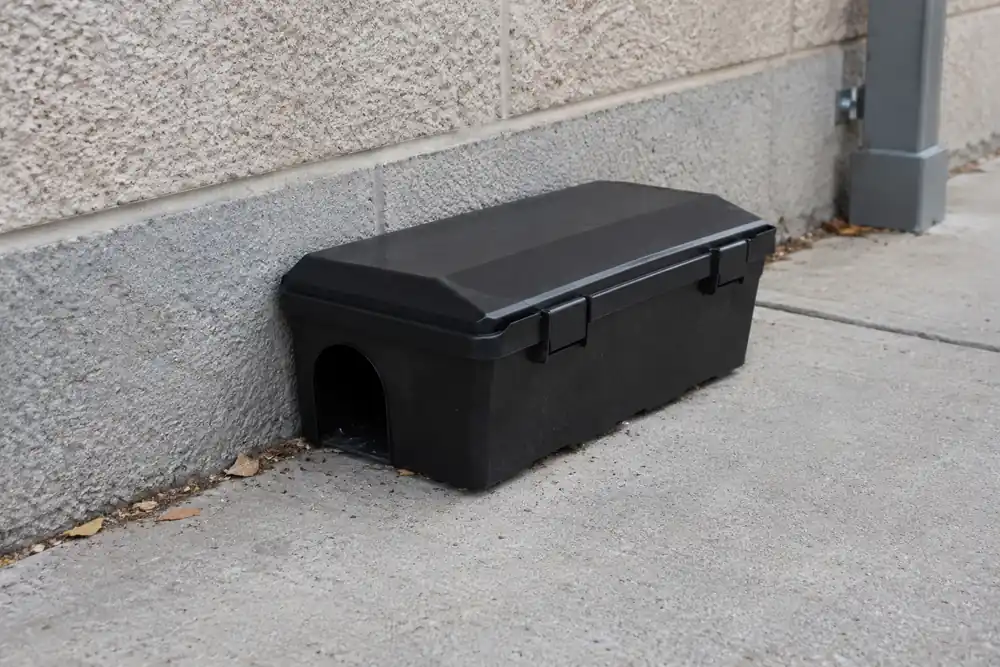
Trapping inside the home or building, with exterior stations used where appropriate.
Sealing
Garage door seals, weep screens, line-set openings, soffit gaps and door sweeps closed with chew-resistant materials.
Follow-up
Return visits to confirm activity has stopped, plus cleanup of droppings and nests.
In townhome communities, the first step often includes a quick conversation about who handles what. Exterior sealing, roof returns and shared walls may fall under the HOA or management company, while trapping inside the unit is the owner’s or tenant’s responsibility. Sorting that out early avoids gaps in the work.
Living Next to Construction: What Helps
If a new building or road project is going up near your home, rodent pressure usually rises during land clearing and grading. A few steps help you get ahead of it:
- Check and replace the garage door bottom seal before clearing starts nearby.
- Walk the outside of the house looking for open line-set holes, missing weep screens and gaps under exterior doors.
- Keep pet food, birdseed and garbage sealed, and avoid leaving bags in the garage.
- Trim shrubs back from the siding so you can see the foundation and any burrows.
- If you see droppings in the garage, deal with it right away before mice move into the house.
Once the surrounding land is built out and landscaped, pressure usually eases, but homes that were sealed early tend to avoid the problem altogether.
Your call connects you with an independent local pest control provider.
Creek Buffers, Ponds and Rats in Morrisville Yards
Many Morrisville neighborhoods were laid out around stormwater ponds, creek buffers and wooded strips that developers had to preserve. They make the town greener, and they also give Norway rats a place to burrow close to homes. Rats dig into pond banks and the soft soil under decks and patios, then forage in yards at night for pet food, grill drippings, fallen birdseed and garden produce.
Homes backing onto these areas should watch for burrows under decks and along the foundation, worn paths in mulch and droppings near trash bins. Raising the edges of decks off bare soil, keeping grills clean and storing birdseed indoors take away a lot of the attraction. If rats are already under a deck or the house, our rat removal page explains how trapping and sealing are handled.
When Morrisville Sees the Most Rodent Activity
Like the rest of the Triangle, Morrisville sees mice move indoors from October through February, starting with the first cool nights. Garages and attics fill first, then kitchens and walls. Rats stay active outdoors year-round, with more sightings in warm months around ponds, dumpsters and restaurants. Construction can push rodents into nearby buildings in any season, which is why some neighborhoods see a spike in summer.
What to Mention When You Call From Morrisville
- Your address and ZIP code (27560 for most of the town; RTP addresses may use 27709), since coverage can vary.
- Whether it is a single-family home, townhome, apartment or commercial building.
- If you rent or belong to an HOA, whether management knows about the problem.
- Where you have seen droppings or heard noises, and whether there is construction nearby.
With those details, the provider can plan the first visit around the right spaces and bring sealing materials that fit the type of building.
Morrisville Rodent Questions
Who do I call about mice in a Morrisville townhome?
If you own, call a rodent control provider directly or call (919) 887-1651 to be connected with one. If you rent or your HOA handles exterior maintenance, report it to management too, since sealing shared walls and rooflines may be their responsibility.
Does North Carolina have a rat problem?
Norway rats and house mice are common across the state, especially in growing metro areas like the Triangle. Construction, mild winters and plenty of food mean rodent pressure stays steady. Roof rats are much less common in most of North Carolina than in coastal southern states.
Why do I have mice in a brand-new house?
New homes are often built on land where mice already lived, and small gaps around garage doors, weep holes and utility lines are common. Sealing those openings usually solves the problem.
Can I handle mice in my garage myself?
A few mice in a garage can often be handled with snap traps along the walls and a new door seal. If droppings show up inside the house, in the attic or in a bonus room above the garage, the problem has spread and a full inspection is worth it.
Are rodents a problem near the airport?
Large areas of open land, hangars, warehouses and hotels around any airport support rodents. Businesses in the area typically run ongoing monitoring programs rather than waiting for a problem.
Services Most Requested in Morrisville
Mouse Control
Mice in garages, attics and townhome walls.
Mouse control →Commercial Service
Offices, labs, warehouses and apartment communities.
Business programs →Rodent Exclusion
Garage seals, weep screens and roofline gaps.
Sealing details →For the main Durham page, see rodent control in Durham. This site is a referral service connecting callers with independent local providers. Population figures are from the U.S. Census Bureau.
Your call connects you with an independent local pest control provider.