Rats · Durham, NC
Rat Removal Durham NC: Getting Norway Rats Out From Under the House
Heavy footsteps in the crawl space, a burrow beside the AC unit, a rat on the back fence at dusk. Rat removal in Durham means trapping the colony you have, then closing the foundation gaps, vents and pipe openings they use so the next one cannot follow.
- Crawl spaces and foundations
- Creek-side neighborhoods
- Homes, rentals and businesses
Your call connects you with an independent local pest control provider.
Why Durham Is Norway Rat Country
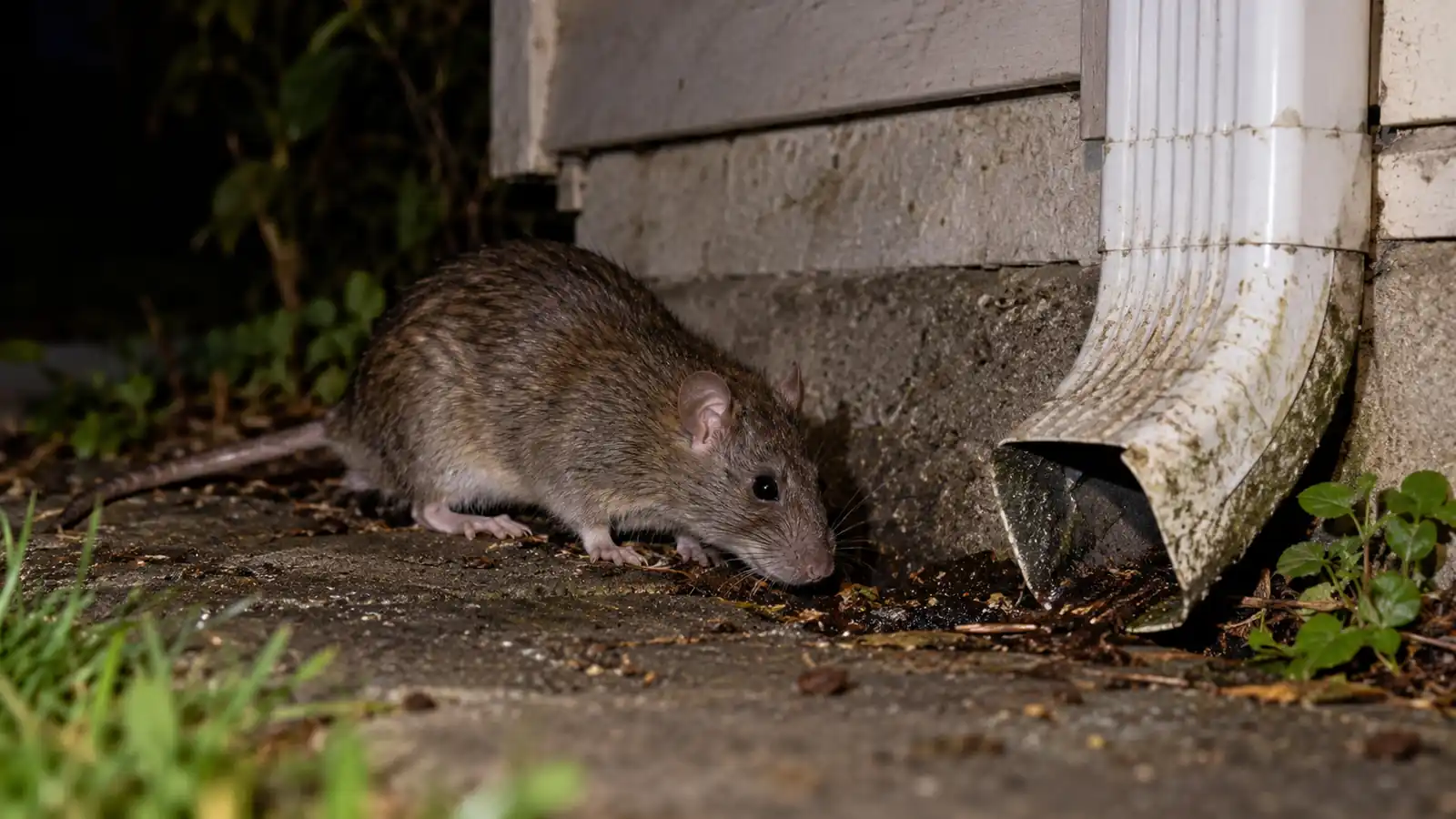
Almost every rat removal job in a Durham house traces back to the Norway rat, Rattus norvegicus. It is a ground-dwelling burrower, and Durham gives it everything it wants: soft soil along creek banks, crawl spaces with dirt floors, and food from gardens, compost bins, bird feeders and dumpsters within a short walk.
The pattern shows up again and again in the same parts of the city:
- Along Ellerbe Creek, where the stream runs behind homes in Northgate Park, Old North Durham and Walltown, rats burrow into the banks and travel the wooded buffer into backyards.
- Along Third Fork Creek in Forest Hills, Hope Valley and the neighborhoods toward Southpoint, the same thing happens with larger lots and more mature landscaping to hide in.
- Downtown, Brightleaf and Ninth Street, where restaurant dumpsters and grease bins feed rats that then move into the older commercial buildings and the houses on the edges.
- Next to construction sites. When a lot is cleared or a new apartment building goes up, the rats that lived in that ground move to the nearest occupied structure, often within days.
A Norway rat colony usually stays within about 100 to 150 feet of its burrows. If you are seeing rats in your yard, the colony is probably on your property or the one next door, not somewhere across the neighborhood.
How to Tell You Have Rats and Not Mice
People often call about “mice” that turn out to be young rats, and the difference matters because the traps, the bait station placement and the gap sizes that need sealing are all different.
Droppings
Rat droppings run about three-quarters of an inch long with blunt ends, often clustered along a wall or beside a food source. Mouse droppings are a quarter inch or smaller and pointed.
Burrows
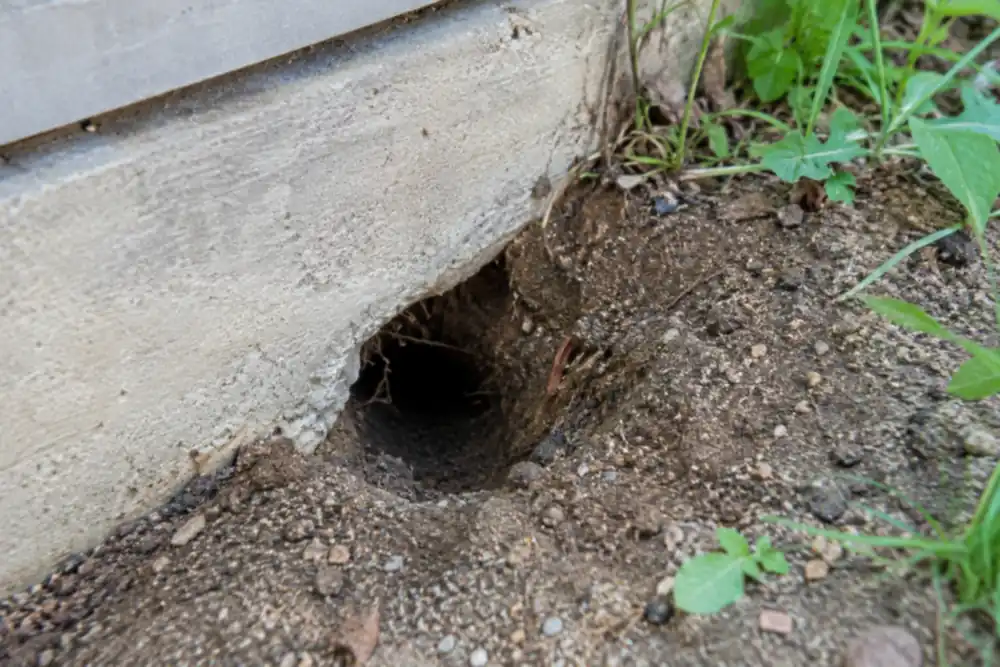
Look for openings 2 to 4 inches across at the base of the foundation, under the HVAC pad, beneath shrubs or under a shed. Active burrows have smooth, packed edges and no cobwebs.
Runways and rub marks
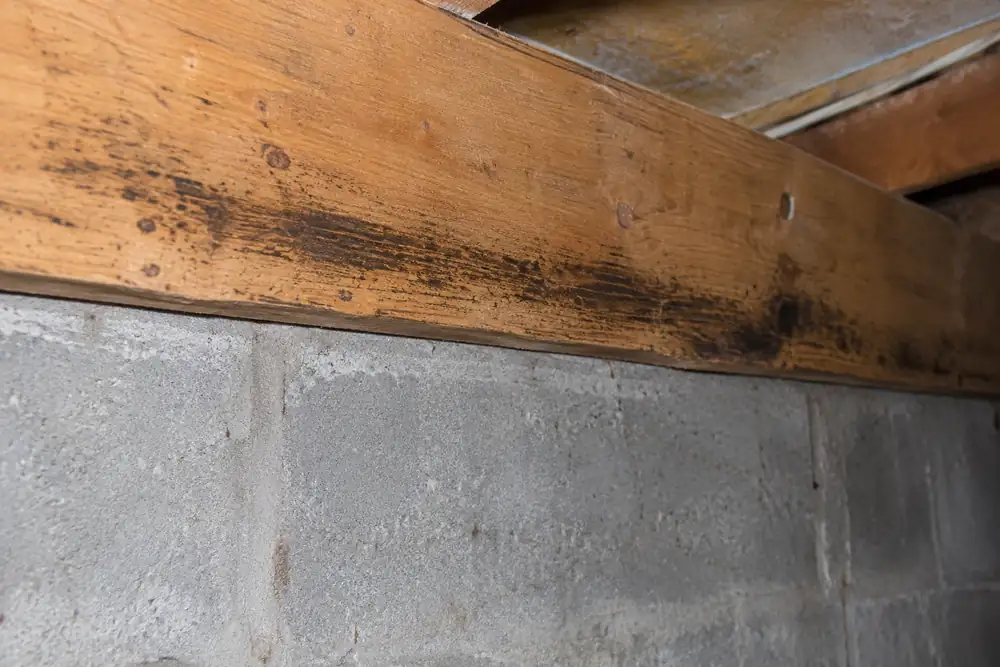
Rats run the same route every night. Outside, that wears a bare path through grass or mulch. Inside a crawl space, it leaves dark, greasy smudges on joists, sill plates and pipe hangers.
Noises
Rats sound heavier than mice: thumping, gnawing on wood, and something being dragged. In Durham houses the sound usually comes from under the floor first, then the walls.
If you want to compare the two rat species found in North Carolina, our guide on roof rats vs Norway rats covers size, tails, droppings and where each one nests. Short version: in Durham, it is almost always the Norway rat.
How Rats Get Into Durham Houses
A young Norway rat can fit through a gap about half an inch wide, roughly the size of a quarter. The most common entry routes in local homes are predictable once you know the housing stock.
Crawl space vents and access doors
Many Durham homes built before the 1980s sit on vented crawl spaces. The original metal screens rust out, get kicked in by a mower, or were replaced years ago with plastic vent covers that rats chew through. A loose crawl space access door is just as common.
Gaps where the foundation meets the framing
In older mill houses and bungalows on brick piers, the wooden sill no longer sits tight on the foundation. Rats work along that seam until they find a soft spot, then gnaw it wider.
Utility and plumbing penetrations
Where the water line, gas line, HVAC line set or dryer vent passes through the wall, there is often a gap stuffed with fiberglass or expanding foam. Rats pull fiberglass out and chew through foam easily.
Sewer lines and drains
Norway rats are strong swimmers. In older parts of the city, cracked clay sewer laterals and open floor drains in basements give rats a way in from below. A rat in a toilet is rare, but it does happen in Durham, and it points to a plumbing defect a provider should flag.
Rat Removal Durham NC: How the Work Is Done, Step by Step
A thorough rat job is slower than a mouse job because rats are cautious. Here is what to expect from a provider who does it properly.
Inspection and mapping
The provider walks the perimeter looking for burrows and runways, goes into the crawl space to find nesting areas, droppings and rub marks, and checks vents, sills, utility openings and the roofline. You should get a list of every entry point found.
Pre-baiting the traps
Norway rats avoid new objects. Experienced trappers often place snap traps unset, with food, for a few days so the rats accept them. When the traps are finally set, catch rates go up sharply.
Trapping inside
Traps go along runways in the crawl space, attic or garage, perpendicular to walls where rats travel. Inside the living space, trapping is preferred over poison so carcasses can be removed instead of rotting in a wall.
Exterior bait stations, when appropriate
Locked, tamper-resistant stations anchored outside can reduce the colony feeding around the foundation. Ask what product is used and how stations are placed if you have pets.
Burrow treatment and sealing
Once activity drops, burrows are collapsed and openings are sealed with hardware cloth, galvanized mesh, metal flashing and mortar. Where rats keep digging under a slab or shed, a buried L-shaped mesh skirt stops them from tunneling underneath.
Follow-up visits
Expect two to four visits over one to three weeks. The job is done when traps stay empty and there are no fresh droppings or new gnawing.
The sealing step is what makes the result last. Our page on sealing rat entry points goes into the materials and the specific weak spots in older Durham houses.
Why Traps and Poison From the Store Fall Short With Rats
Mice are curious. Rats are not. That one difference explains most failed DIY rat jobs.
- Wrong trap size. Mouse traps injure or annoy a rat without killing it, which makes the rest of the colony more trap-shy.
- Too few traps, moved too often. Rats need days to accept a new object. Moving the trap every night resets the clock.
- Poison inside the house. A poisoned rat often crawls into a wall, under insulation or beneath the subfloor to die. In Durham’s humid summers the smell can last for weeks. If that has already happened, see our page on dead rodent removal.
- Consumer bait rules. Since the EPA’s restrictions took effect, rodenticides sold to homeowners must come in tamper-resistant bait stations, and the strongest second-generation products are limited to professional use (EPA).
- No sealing. Trapping six rats feels like progress. If the vent screen is still torn, the next group moves in within weeks.
None of this means you should never set a trap yourself. It means that once you are seeing burrows, rub marks or rats in daylight, the colony is established and a structured rat removal plan saves time.
Your call connects you with an independent local pest control provider.
Rats in Durham Rentals, Restaurants and Businesses
Rental homes and duplexes
Many older Durham rentals share a crawl space or a foundation with the unit next door. Rat removal that treats one side and ignores the other rarely works. If you rent, put the problem in writing to your landlord; North Carolina law treats a rat infestation caused by structural defects as a condition the landlord must fix.
Restaurants and food businesses
Rats around a dumpster pad or grease bin are the start of a much bigger problem once they find a gap under a back door. Durham County inspections can cost a restaurant serious points for rodent evidence. Our commercial rodent control page covers monitoring programs and service logs.
Warehouses and older commercial buildings
Brick buildings downtown and in the old tobacco warehouse district have loading doors, utility chases and floor drains that need their own exclusion plan. Expect a written map of stations and traps so you can show it to an inspector or property manager.
What to Do Tonight if You Just Saw a Rat
You do not have to wait for an inspection to make the house less attractive. These steps help right away and make the professional rat removal go faster.
- Move pet food, bird seed and grass seed into metal or heavy plastic bins with tight lids.
- Bring compost and trash bins away from the foundation and keep lids closed.
- Pick up fallen fruit, pecans and acorns near the house.
- Trim shrubs and ivy back so you can see the base of the foundation.
- Check that the crawl space door is latched and every vent has an intact metal screen.
- Do not sweep up droppings dry. If you need to clean a small area now, follow the wet-cleaning method on our rodent cleanup page.
When you call, mention where you saw the rat, any burrows you found, whether you have a crawl space or slab, and whether pets or children use the yard. That gives the provider what they need to plan the first visit.
Rat Removal Questions From Durham Homeowners
How do you get rid of a rat infestation for good?
Three things have to happen together: remove the rats that are living inside, take away easy food and cover outside, and seal every opening into the structure. Skip any one of those and the infestation usually comes back, often by the next cold season.
Will rats leave on their own?
Almost never. A Norway rat colony that has found shelter, food and water near your foundation will stay and grow. Rats breed at around three months old and can have several litters a year, so waiting tends to make the job bigger.
Does homeowners insurance cover rat damage?
Most standard homeowners policies exclude damage caused by rodents and other vermin, treating it as a maintenance issue. Read your own policy, but plan as if chewed wiring, ductwork and insulation will be out-of-pocket.
What time of year are rats worst in Durham?
Rats are active year-round here, but calls jump from October through February as nights cool and rats look for warmer nesting spots under houses. Summer brings more outdoor sightings around gardens, creeks and dumpsters.
How long does rat removal take?
Most residential jobs run one to three weeks from the first visit to the final check, because rats are slow to approach traps. Sealing can happen in a day or two once activity drops.
Is a rat exterminator the same as a pest control company?
Plenty of companies advertise as a rat exterminator, but some focus on insect spraying and treat rats with bait alone. When you talk to a provider, ask whether trapping, exclusion and follow-up visits are included, not just bait stations.
Related Rodent Services in Durham
Rodent Exclusion
Closing vents, sill gaps and pipe openings so rats cannot get back in.
Rodent-proofing details →Attic & Crawl Space
Nests, chewed ducts and soiled insulation under and above the house.
Rats in the crawl space →Dead Rodent Removal
Locating and removing a carcass when the smell will not go away.
Odor removal →This site is a referral service. Calls are connected with independent rodent control providers serving Durham, NC. See our how it works page for details.
Your call connects you with an independent local pest control provider.